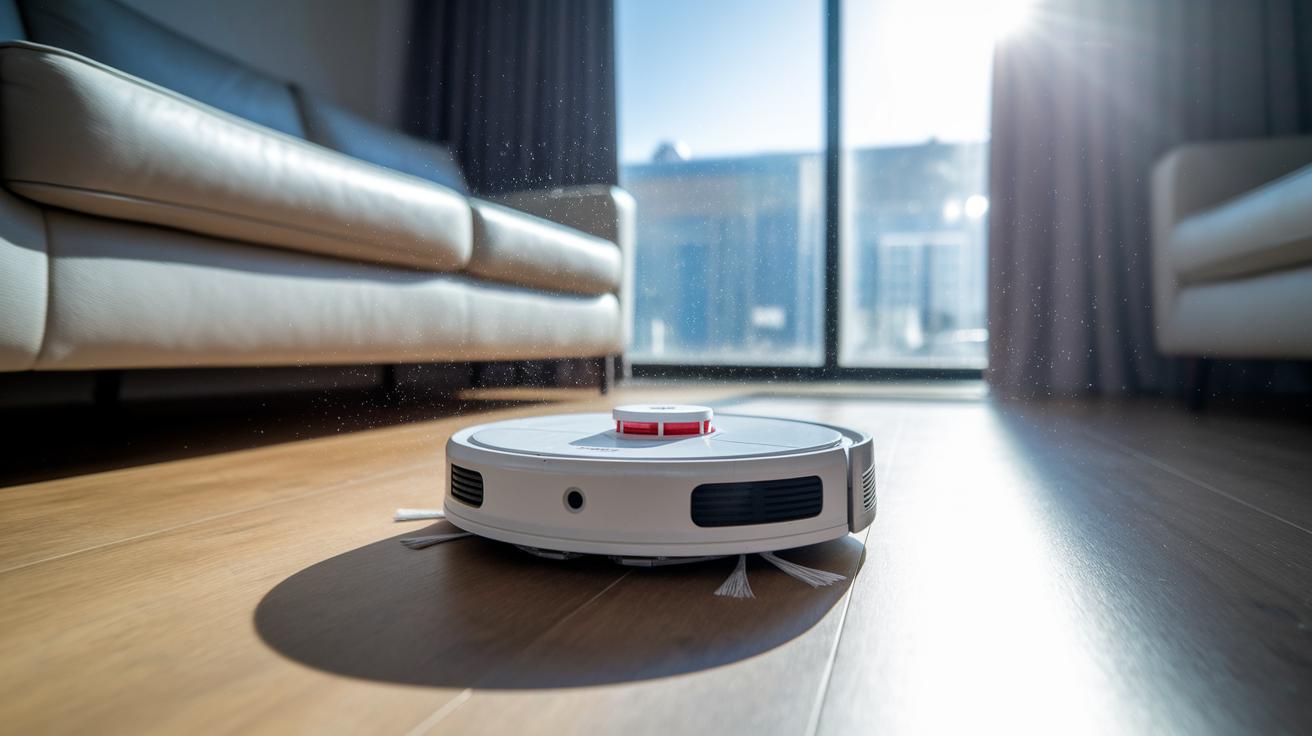

Ever wondered if a robot vacuum could do a better job than cleaning yourself? These days, they’re packing powerful suction and smart mapping that lets them glide effortlessly around your home. They even come with cool features like hybrid mop systems and auto-empty stations, so every speck of dust doesn’t stand a chance. In our review, we break down the top models, each with its own unique twist, from standout power to creative obstacle avoidance. Curious to see how these smart devices can keep your space looking pristine while you kick back? Read on and let technology take care of the mess!
Robot Vacuum Reviews: Comprehensive Model Comparison
Ever wondered how today's flagship robot vacuums stack up? We took a hands-on look by measuring everything from powerful suction, some scoring up to an impressive 22,000 Pa (that’s a forceful clean!), to navigation smarts that use cutting-edge tools like LiDAR, RGB cameras, and even Nvidia modules for smooth planning. And there’s more: these clever devices also sport hybrid mop features with retractable mop systems that lift around 10.5 mm, plus auto-empty stations designed to keep dust at bay for 100–150 days. They move almost like a human, smoothly steering clear of 100 to 240 obstacles as they clean.
| Model | Star Rating | Price Range | Unique Feature |
|---|---|---|---|
| Roborock Qrevo CurvX | 3.98 ★ | $1,600+ | High suction and smart mapping |
| Dreame L50 Ultra | 3.97 ★ | $1,400-$1,600 | Advanced object detection |
| Roborock Saros 10R | N/A | $1,200-$1,400 | Edge mopping and clearance |
| ECOVACS X8 Pro OMNI | N/A | $1,100-$1,300 | Efficient cleaning cycles |
| 3i S10 Ultra | N/A | $1,000-$1,200 | Innovative mopping solution |
If you're on the hunt for top-tier suction and smart mapping, the Roborock Qrevo CurvX and Dreame L50 Ultra really shine. And if meticulous edge cleaning and getting under furniture are what you value most, then the Roborock Saros 10R and ECOVACS X8 Pro OMNI are built for you. For everyday households eager for a clever mopping twist, the 3i S10 Ultra offers a practical, innovative option. No matter what your cleaning style or budget, there’s a model here to make your home sparkle.
Performance Ratings for Robot Vacuum Suction and Cleaning
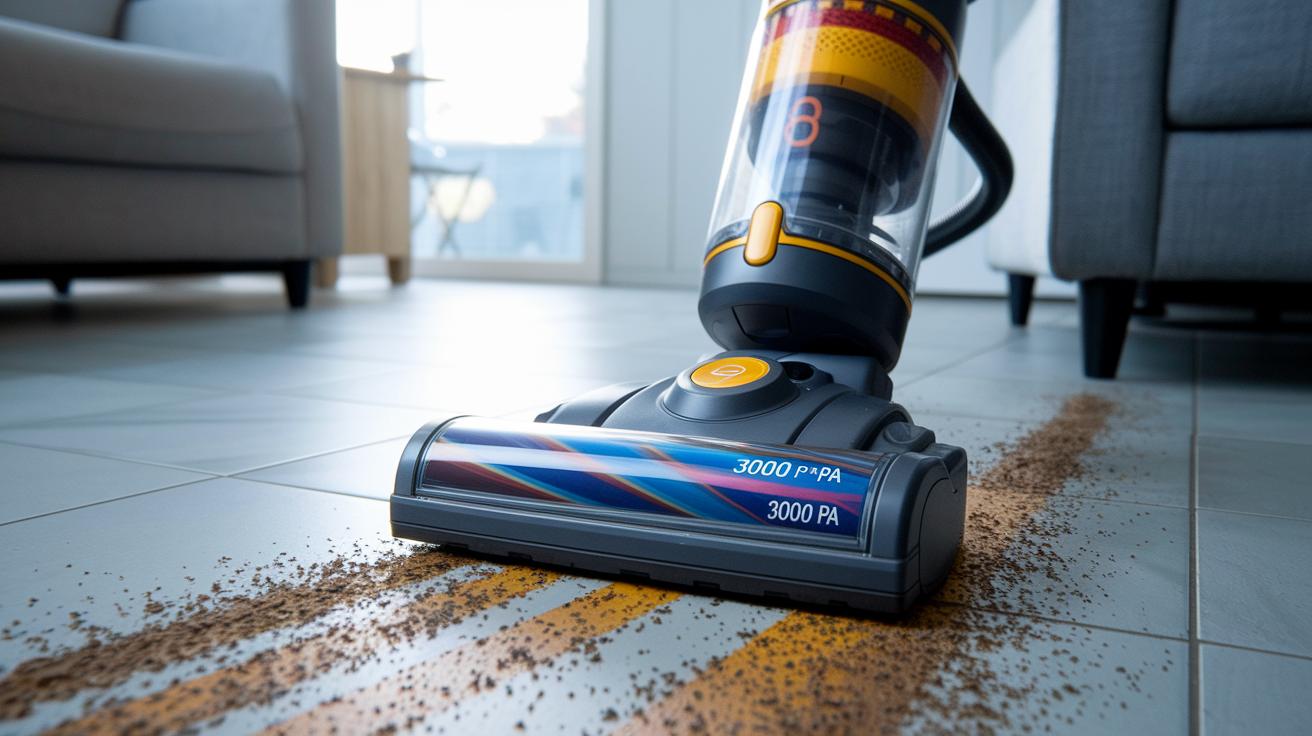
When we test these vacuums, we measure how much airflow they can generate on hard floors and carpets, creating scenarios similar to everyday spills and concentrated dirt spots. In our everyday cleaning cycles, you’ll typically see a suction starting at around 1,900 Pa (that’s our baseline measurement for gentle cleaning), but when you switch to deep-clean mode, some models kick it up to as much as 3,000 Pa in the midrange, and even up to 22,000 Pa in the flagship models, imagine a turbo boost for your cleaning routine.
We also dive into how well each vacuum tackles pet hair and fine dust. Using advanced brush systems designed to cut down tangles, we challenge devices with mixes of dog fur and tiny dust particles. It’s interesting to see how different designs, like the dual-tapered DuoBrush or halved roller, perform. One test even highlighted, "The tailored brush design channels pet hair away with minimal clogs, ensuring consistent performance even during extended cleaning cycles."
At the end of the day, some models really shine in heavy-duty suction, especially on thick carpets and stubborn debris areas. Others are tuned for quieter operation, making your daily cleaning less disruptive. Our tests show that while the high-end models deliver unmatched power, many midrange options strike a great balance between strong suction and a peaceful, noise-friendly clean.
Navigational System Reviews in Robot Vacuums
When it comes to robot vacuums, having smart mapping tech is a total game changer for your cleaning routine. Whether a device uses LiDAR (a laser-based system that creates accurate distance maps) or relies on a camera-guided approach (using visual cues to navigate), each method brings its own perks, from wider scan ranges to sharper object detection and clever route planning. Essentially, these systems are built to mimic the way we clean, adapting on the fly to different room layouts and even spotting up to 240 types of objects during tests.
LiDAR and RGB Systems
LiDAR mapping is all about robust scan ranges and quick updates, meaning your vacuum can get a super-clear picture of its surroundings. When you mix that with RGB camera input (which adds a splash of color detail to pick up even the tiniest debris), the result is a seriously effective obstacle detection setup. In testing, these high-tech combos tend to dodge obstacles better, full avoidance gets 2 points per object while those minor brushes earn 1 point. This balanced sensor combo means your vacuum nails its spatial mapping and boosts overall cleaning performance.
Camera-Based Navigation
Some robot vacuums take a slightly different route with proprietary camera systems powered by Nvidia modules. These systems lean on advanced image processing to quickly identify and differentiate room features. The result? A vacuum that adapts in real time, smoothly updating its cleaning route even as room layouts change. It’s like watching a well-rehearsed dance, everything flows naturally, ensuring steady, reliable cleaning coverage in more complex home setups.
In short, if you’re dealing with a lot of twists, turns, and ever-changing layouts, camera-based navigation usually offers the most reliable performance with fewer route resets.
Battery Longevity and Charging Efficiency of Robot Vacuum Models
When we tested these flagship vacuums, they consistently delivered runtimes of up to 240 minutes, perfect for tackling multi-room cleaning with ease. Many of these models even feature a "recharge and resume" option, which means if the battery runs low, the vacuum will automatically return to its dock, recharge, and then seamlessly pick up where it left off. This is a real game-changer in larger homes, letting you set the device loose on a weekend cleaning spree while it gracefully navigates from room to room with minimal interruptions.
On the power-management side, these smart vacuums offer different modes to match every cleaning need. Eco mode cuts down on power draw, ensuring you get the most cleaning time from every minute, ideal for daily upkeep. Standard mode provides a balanced cycle for routine messes, while Turbo (or max) mode boosts suction for those stubborn debris spots, even though it means a shorter overall runtime. From our hands-on tests, Turbo mode shines when dealing with tough dirt, but for longer, more efficient cleaning sessions, Eco mode really pulls ahead.
Self-Emptying and Maintenance Features in Robot Vacuum Reviews
Auto-empty docks bring a welcome convenience, they hold dust for up to 100–150 days, cutting down on the time you’d normally spend emptying bins by hand. These smart systems not only boost cleaning efficiency but also take care of the mess for you. And check this out: some self-cleaning docks even wash and dry your mop pads using hot water and heated air, so you get less downtime between cleaning cycles.
- Easy top-access to brush compartments makes maintenance a breeze
- Quick filter swaps with user-replaceable filters keep things running smoothly
- Simple water-tank cleaning for the mop system saves you time
- Managed proprietary bag solutions ensure effective dust collection
- Built-in self-cleaning features streamline dock hygiene
These handy features seriously cut down on the everyday work needed to keep your robot vacuum at its best. While the innovative auto-empty and self-cleaning systems offer a new level of ease, it’s good to keep an eye on operating costs. For example, the proprietary dust bags might add up over time if replacements are pricey. And don’t forget, the regular filter swaps are key to maintaining strong suction and avoiding clogs. Balancing these factors means you can enjoy a smart, low-maintenance cleaning experience without sacrificing performance.
Robot Vacuum Reviews: Smart Clean Picks

Modern smart vacuums now put app connectivity front and center, making scheduling as easy as tapping your smartphone after your morning coffee. You can start a cleaning cycle with just a button press, and thanks to real-time updates, you’re always in the know about what your vacuum is up to. Some apps even come with interactive maps so you can see exactly which room needs that extra bit of attention next.
Voice control is another cool feature these days. Imagine saying, “Hey Google, start the living room clean,” and watching the vacuum spring into action. Brands like eufy and 3i offer straightforward, user-friendly dashboards, while ECOVACS, Dreame, and Roborock give you more detailed customization, letting you set up specific zones and tweak side-brush behaviors for that perfect clean.
Price Range Comparisons and Value Assessments for Robot Vacuums
Robot vacuums come in a wide range of prices to suit every budget and cleaning need. For example, if you're keeping an eye on expenses, models under $300 offer basic navigation and around 10,000 Pa of suction power. They’re perfect for smaller areas or simple messes, using straightforward design over fancy features.
Midrange options bring a bit more to the table. Take the Matic, for instance, it’s available for $1,095 until December 1 (then $1,245), and it offers smoother navigation, smarter obstacle detection, and stronger suction. It’s a great middle-ground if you want enhanced cleaning without shelling out a premium.
At the high end, premium robot vacuums priced over $1,600 pack in all the bells and whistles. These models often include auto-empty stations, camera-based navigation for detailed mapping, hybrid mopping capabilities, and heated-dry docks to handle multiple surfaces effortlessly. They’re designed for those who appreciate top performance and minimal upkeep.
Budget-friendly models keep things simple and effective, ideal for modest spaces and everyday messes. While they may not have high-end mapping or the absolute strongest suction, they deliver reliable cleaning without complication.
In contrast, premium units mix cutting-edge technology with convenience, boasting advanced navigation, auto-empty features, and hybrid cleaning that tackles both vacuuming and mopping. Even though their upfront cost might feel steep, they offer lasting performance and ease that can really pay off in the long run.
Consumer Satisfaction and Expert Gadget Analysis in Robot Vacuum Reviews
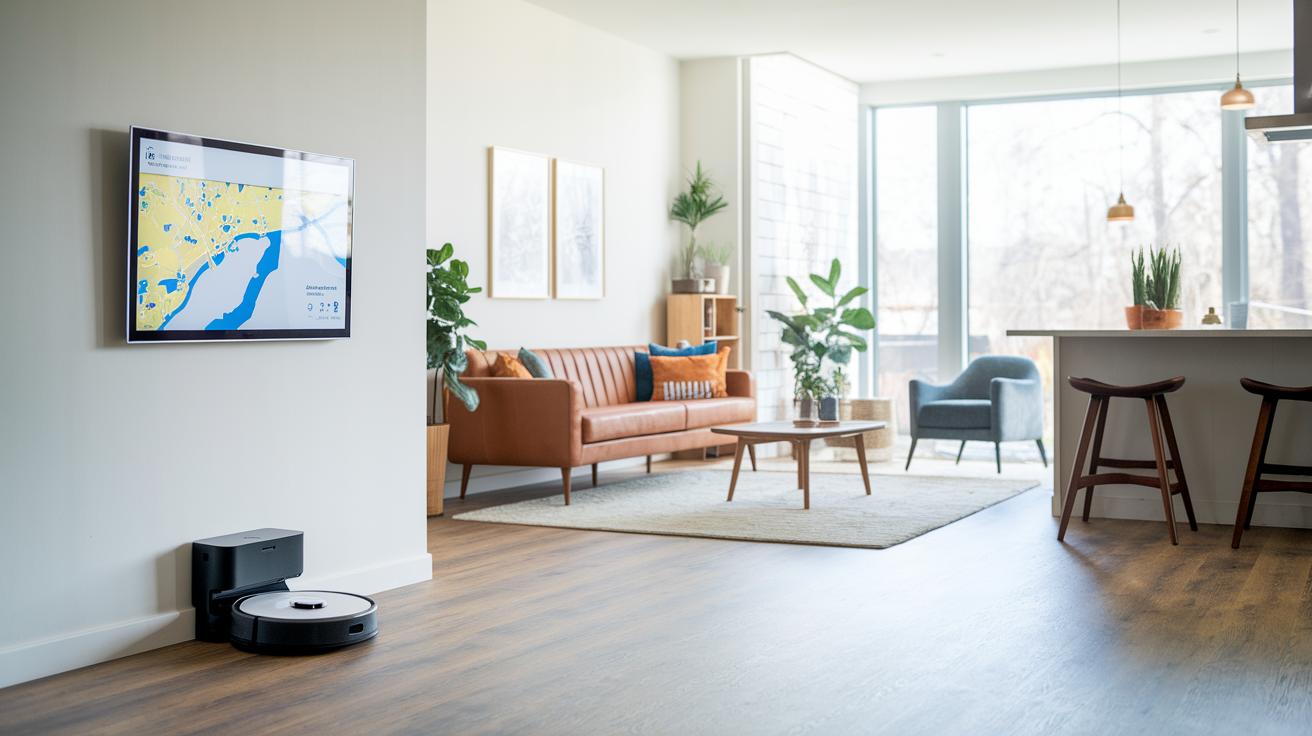
When it comes to robot vacuums, experts have been busy putting these gadgets to the test. In our own trials, the Roborock Saros 10R shined bright as Best Overall, while the smart folks dubbed the Dreame X50 Ultra the cleverest pick around. Then there’s the ECOVACS X8 Pro OMNI, earning top marks for cleaning performance, and the 3i S10 Ultra, celebrated for its innovative approach. Each award spots a unique strength, whether it’s super-advanced mapping that feels like your gadget is reading the room or cleaning techniques that adapt effortlessly to any mess or surface.
User reviews echo these findings, too. People love devices that are as low-maintenance as they are effective, with smart mapping features that plan out the perfect cleaning route. Customers rave about how these machines cut down daily chores with intuitive designs that practically work on their own. Sure, there are a few grumbles about noise during operation and the higher price tags for replacement parts, but in the long run, models with LiDAR-based navigation tend to win hearts due to their consistent, dependable performance.
Final Words
In the action, the post explored everything from suction power and navigation to battery life and maintenance ease. We broke down core features, compared price points, and shared hands-on insights to make your decision smoother. The analysis leaned on detailed robot vacuum reviews to guide you in aligning budget with performance needs. It’s a solid roundup that paves the way for a smarter home cleaning routine. Here’s to confidently choosing the tech that fits your lifestyle perfectly!
FAQ
Q: What do the best robot vacuum reviews reveal about top models?
A: The best reviews reveal standout features like robust suction, smart navigation, hybrid mop integration, and self-emptying capabilities. Experts favor models from brands such as Roborock, Dreame, and ECOVACS.
Q: Which robot vacuum and mop combos are highly rated?
A: The top-rated vacuum-mop combos deliver integrated cleaning with efficient mopping systems and smart auto-empty features, offering a convenient solution that balances vacuuming power with effective floor care.
Q: How do Dyson robot vacuum reviews rate their performance?
A: Dyson robot vacuum reviews praise its reliable suction and modern design, emphasizing sleek styling and advanced features that appeal to those looking for a contemporary cleaning gadget.
Q: Which robot vacuum works best for pet hair?
A: Models best for pet hair combine powerful suction with specialized brush systems to capture fur and debris efficiently, making them a smart choice for households with pets.
Q: Are robotic vacuums worth it for everyday cleaning?
A: Robotic vacuums prove worthwhile for everyday cleaning by offering time-saving convenience, reliable navigation, and self-management capabilities that simplify household maintenance.
Q: Is Shark a better option than Roomba?
A: Shark and Roomba both deliver solid performance; Shark is noted for its innovative mopping features, while Roomba excels in auto-emptying and mapping precision—your choice depends on your cleaning needs.
Q: What is considered the #1 robot vacuum on the market?
A: The top robot vacuum is recognized for its balanced performance, advanced sensors, and high user satisfaction, typically offering a smart blend of connectivity, robust cleaning power, and efficient design.
Q: What are notable Eufy robot vacuum models available?
A: Eufy’s lineup includes the RoboVac 11S, Omni S1 Pro, X10 Pro Omni Vacuum Mop, and BoostIQ 11S MAX, each delivering smart connectivity and efficient cleaning to suit different needs and budgets.