

Ever imagined tech that makes life safer and more freeing for seniors? Smart wearables now do just that by keeping an eye on everything from vital signs to detecting falls, and they alert help right when it's needed. It’s like having a silent guardian ready to step in, making daily routines feel a lot less worrisome.
These clever devices don’t just offer safety, they empower seniors to enjoy everyday moments. Whether it’s a reassuring heartbeat check or a friendly nudge in case of a fall, wearables help maintain that sense of independence and confidence.
Curious about how these easy-to-use gadgets make life feel more secure? Let’s explore how they’re transforming the way seniors connect with family and friends and live life on their own terms.
Essential Benefits of Wearable Tech for Seniors
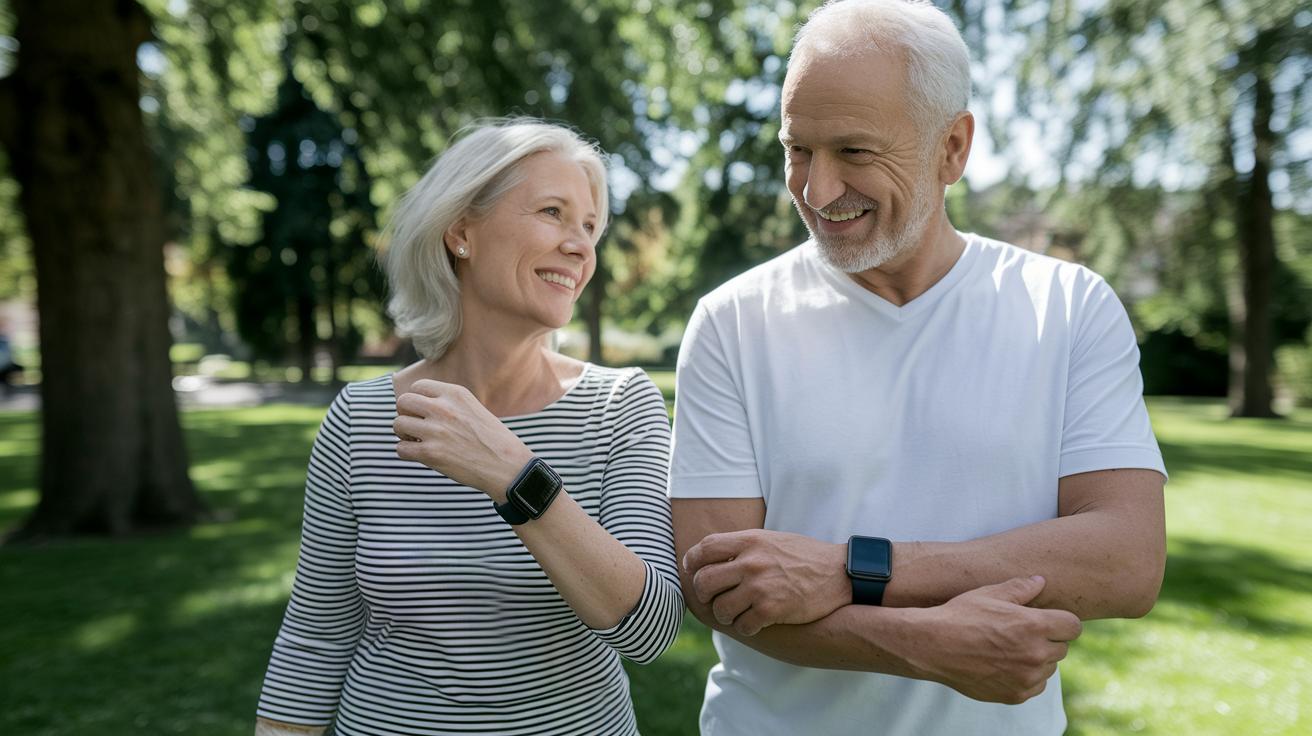
Wearable tech for seniors is really changing the game by boosting autonomy and safety in everyday life. These devices are crafted to keep an eye on vital signs, making tasks like walking or grocery shopping safer while still letting seniors enjoy their active lifestyles. Think about it: you could be out for a stroll while your wearable instantly alerts someone if you stumble, suddenly, that simple walk feels much more secure.
Many of these gadgets pack essential safety and health features that shine in an emergency. They often sport fall detection, emergency SOS buttons, heart rate monitors, ECG sensors, SpO₂ tracking, and even real-time GPS location updates. In a pinch, if something feels wrong, the device picks up on abnormal movements and sends out an alert immediately, making sure help is not far away.
Plus, built-in communication tools offer a wonderful way to beat social isolation. With easy messaging, voice calls, and even video chats, seniors can effortlessly stay in touch with family, friends, and caregivers. This seamless connectivity not only keeps them feeling part of the conversation but also offers that much-needed reassurance, they’re never really alone when support is just a call or click away.
Best Fall Detection and Emergency Alert Wearables for Seniors
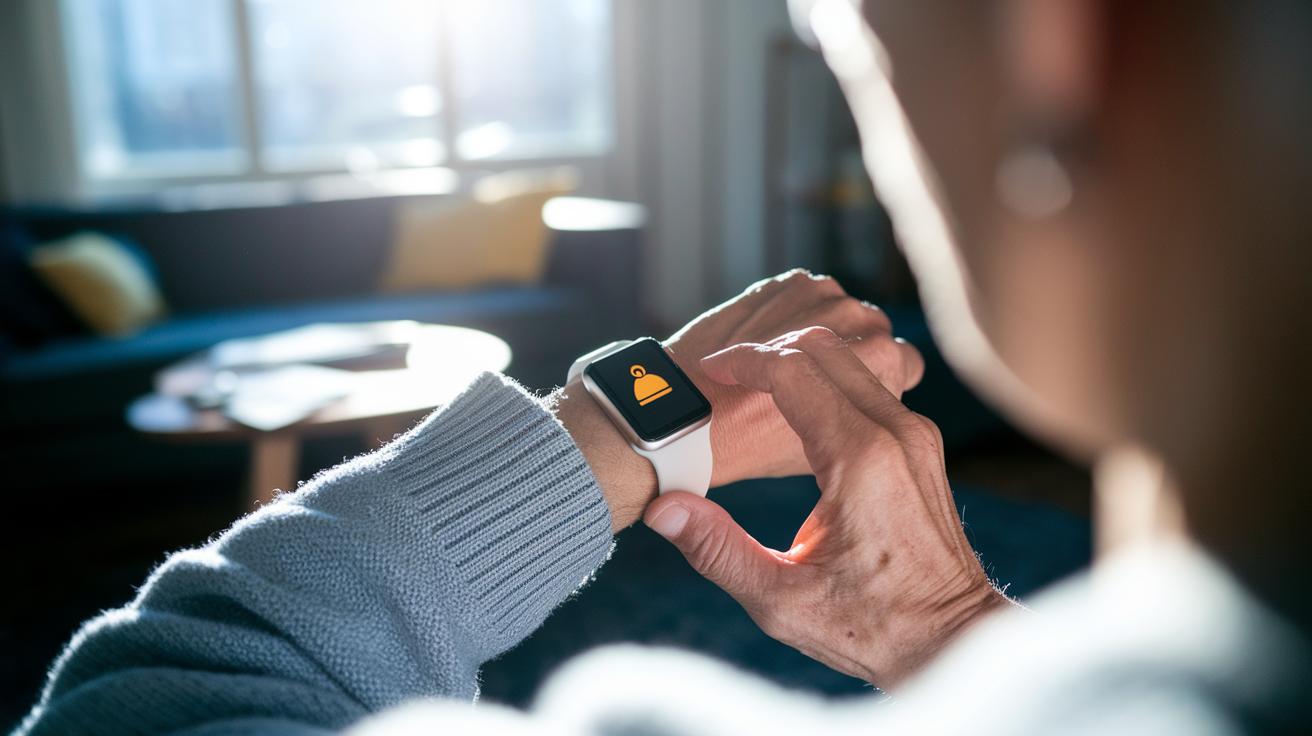
Fall detection is a must-have for seniors because a quick alert can really change the game between speedy help and a long recovery. These smart devices pick up unusual movements, like when there's a rapid change in speed or a fall, and send out an alert in seconds. Think about the Apple Watch SE; it picks up sudden shifts in altitude or pace and automatically calls emergency services if it doesn’t sense any movement after a fall.
| Device | Fall Detection | SOS Button | Subscription Required | Price |
|---|---|---|---|---|
| Apple Watch SE | Detects rapid speed and altitude changes | Automatically dials emergency services | No | $279 |
| Bay Alarm Medical SOS Smartwatch | Offers continuous health tracking | One-touch SOS feature | Yes | $300 |
| LifeFone Safe Watch Active | Integrates fall detection into overall health monitoring | Provides on-demand GPS alerts | Yes | $250 |
| AngelSense Watch | Includes built-in fall monitoring | Auto-answers emergency calls | Yes | $350 |
When it comes to picking a device, your choice might rest on whether you want to avoid additional fees. Some devices, like the Apple Watch SE, work without a monthly subscription, making life simpler and budgeting easier. Others might charge a fee but offer extra features such as continuous health tracking. In short, if steering clear of ongoing costs is your top priority, you'll likely lean toward subscription-free options, while those who value detailed health insights might prefer a device with a subscription plan.
Wearable Tech for Seniors: Health and Vital Monitoring Devices
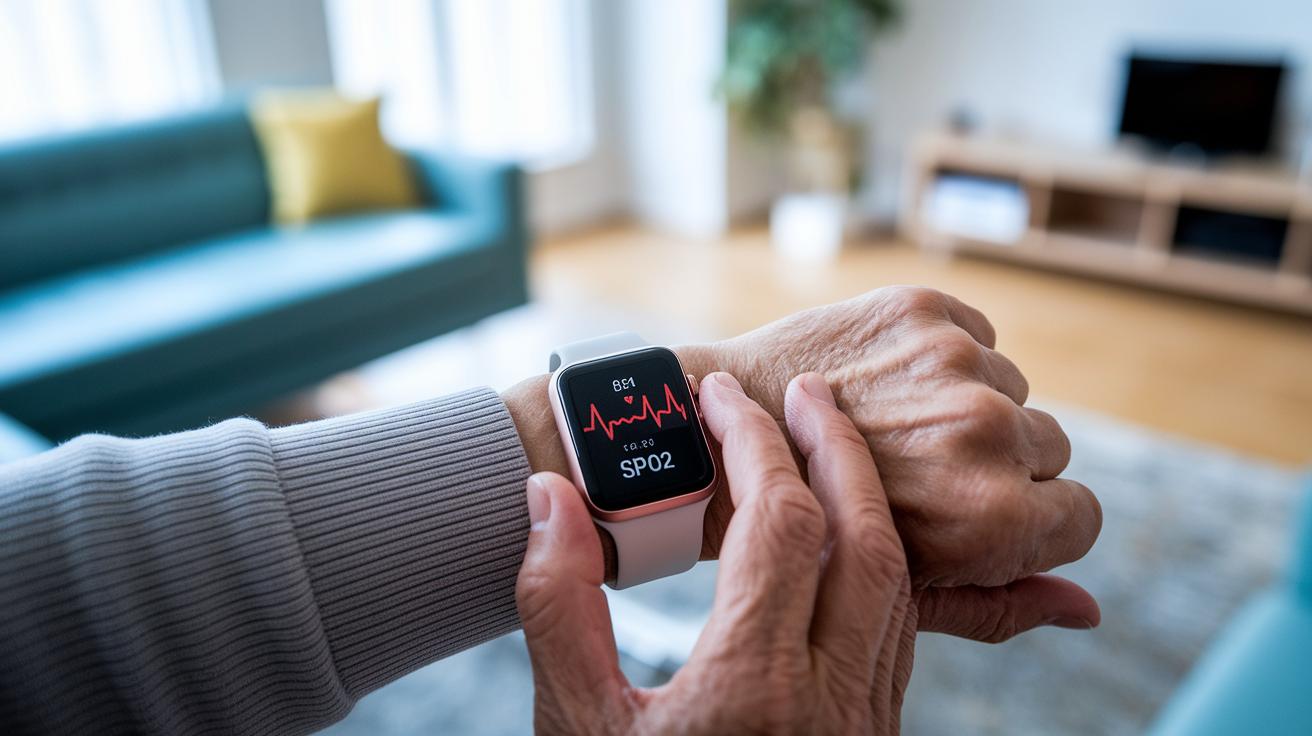
Imagine a device that doubles as your personal health guardian. These modern wearables keep a close watch on vital stats like heart rate, oxygen levels (you know, SpO₂ measuring blood oxygen), and even offer on-wrist ECG readings so you can detect any unusual changes ahead of time. It’s like having a friendly check-up that never misses a beat, giving both seniors and their families that extra sense of security.
Take a closer look at some popular options. The Fitbit Versa 4, for example, does a great job tracking key metrics and even gives detailed insights with its on-wrist ECG. On the flip side, the Garmin vívosmart 4 pairs its Pulse Ox sensor with smart sleep analysis, perfect for those who care about a good night’s rest. And if you're active, the WHOOP Strap continuously monitors your heart rate, offering useful recovery tips. Then there's the Apple Watch Ultra 2, which combines ECG features with blood-oxygen sensors and rich health analytics for a comprehensive view of your wellbeing. Each of these gadgets is tailored to fit different lifestyles while keeping ease of use in mind.
These devices don’t work alone either. They sync seamlessly with native health apps, pooling all the data into one easy-to-read report. Plus, the manufacturers meet strict regulatory standards, so you can trust their reliability. For more in-depth info on how assistive technology is integrated, check out assistive technologies as a handy resource.
Wearable Tech for Seniors: Design and Ease of Use
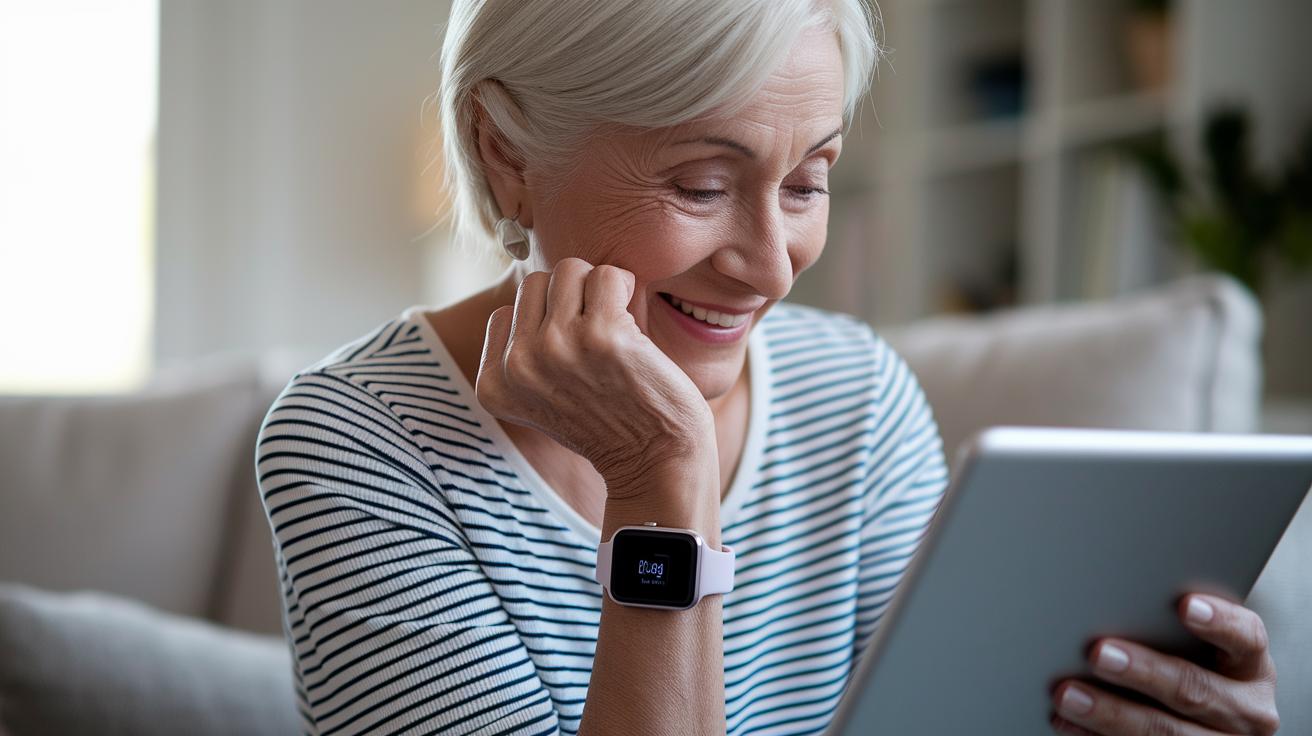
Design really brings technology to life, it turns even the most advanced gadgets into friendly helpers that blend seamlessly with daily routines. Seniors value devices that feel uncomplicated, allowing them to stay independent without the frustration of overly complicated features. Think of it like this: when a wearable offers intuitive touches, clear visuals, and responsive controls, it becomes more than just a gadget, it becomes a reliable partner for managing health and keeping in touch with loved ones. And yes, when using technology feels effortless, it encourages regular use, which is key for dependable health monitoring and peace of mind.
- High-contrast displays that make texts and icons easy to see
- Generously sized buttons for simple tapping and navigating
- Adjustable straps that promise a snug, comfortable fit
- Streamlined user interfaces that keep daily interactions simple
- Voice-activated controls for a smooth, hands-free experience
Built to last, these wearables are crafted with sturdy materials designed to handle everyday wear and the occasional bump. Plus, simple charging routines mean less hassle with upkeep, making tech a natural fit in a senior’s lifestyle. When a device adapts to real life as effortlessly as a perfectly brewed cup of coffee, it not only supports well-being but sparks confidence in harnessing today’s technology.
Budget-Friendly Wearable Tech for Seniors
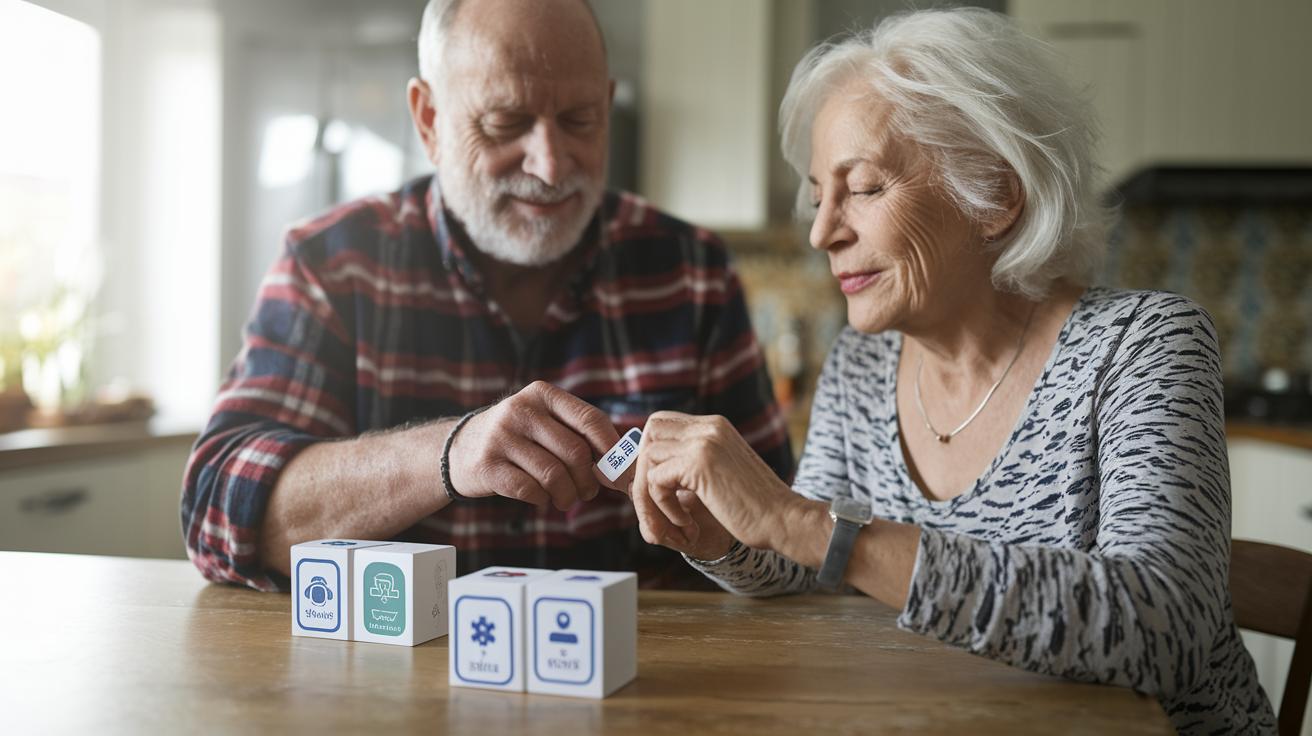
Meet Road ID’s budget-friendly medical-ID bracelet. It’s designed with seniors in mind, offering a straightforward way to stay connected in an emergency. With customizable emergency-contact settings, a lightweight feel, and no sneaky subscription fees, it’s like having a discreet companion that keeps vital info at your fingertips.
The Bay Alarm Medical SOS All-in-One 2 easily earns its spot as a top value pick for affordable SOS and health alerts. Featuring a one-touch emergency button and continuous health monitoring, it’s built to be reliable both for everyday use and for those unexpected moments. Its modest pricing and low extra costs mean seniors can feel secure without worrying about hidden charges.
Then there’s the Fitbit Versa 4, a smart choice that balances affordability with essential health tracking. It keeps tabs on everything from heart rate to your active minutes, all displayed in a clear, easy-to-read interface. Ideal for anyone keen on staying active and monitoring their health without breaking the bank.
wearable tech for seniors: Embrace Active Moments

Wearable devices are quickly becoming trusted companions in daily health routines. These nifty gadgets now help seniors remember their medications, allow two-way messaging, and even share location info with caregivers so that help can be on its way in a snap. Imagine a situation where a sudden mishap triggers an automatic alert to loved ones, instantly linking seniors to remote health support , it's like having your own personal safety net.
Beyond just health alerts, these devices let seniors enjoy video calls with FaceTime or Zoom, adding a real human touch to everyday tech. Picture turning a quiet, lonely day into one filled with laughter and easy conversation. It’s amazing how a simple video call can brighten your mood and help keep important social ties strong.
There are plenty of real-life stories showing the positive impact of these wearables. Take, for instance, a 78-year-old in New Jersey who wore a lightweight smartwatch that detected a fall and sent an immediate alert, preventing a hospital stay. This smart integration gives caregivers a clear picture and enables them to respond quickly, ensuring that seniors always feel supported and secure.
Future Trends in Wearable Tech for Seniors
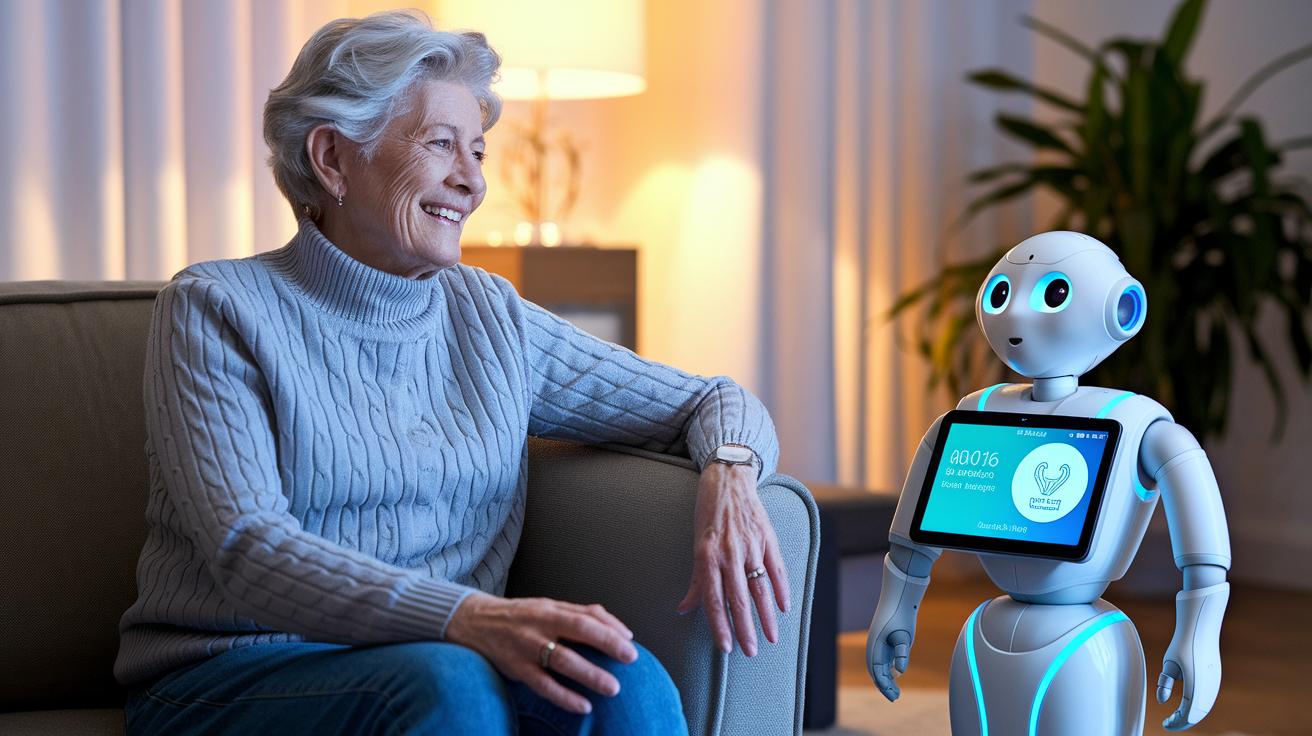
Senior wearables are stepping into a whole new era with innovative designs on the horizon. By 2025, we’ll see gadgets like smart rings, hearing aids powered by AI (smart tech that learns your needs), mobility-assist clothing, and even friendly companion pet robots. These new devices feature bright, clear displays and voice-activated functions, making them easy to use without the fuss of complicated touches.
Imagine a wearable that not only monitors your health but also uses AI-driven alerts and predictive fall analysis to keep you safe. It can detect early warning signs of potential issues and connect you directly to telehealth services, letting seniors and caregivers chat in real time. This blend of smart technology means faster, personalized care that helps manage health proactively.
Senior living communities, like those at The Winsberg at Green Cay, are already planning to roll out these advanced wearables by 2027. Their upcoming tools focus on remote alert systems designed to support independent, secure living. For more on these cool innovations, check out wearable technology trends and explore the future that’s just around the corner.
Final Words
In the action, we explored how wearable tech for seniors boosts safety, health monitoring and connectivity. We saw how fall detection, vital sensors and user-friendly designs empower daily living.
The review covered clear comparisons, budget-friendly finds and tips for integrating wearables into everyday routines. Each section shed light on practical features that enhance independence and well-being.
Embracing wearable tech for seniors paves the way for a smarter, more secure lifestyle. It’s exciting to see technology making a real difference every day.
FAQ
What are some of the best wearable tech options and smart devices for seniors?
The best wearable tech options combine health monitoring, fall detection, and user-friendly interfaces. They include smart devices with one-touch SOS alerts, large displays, and simple menus designed to support seniors’ safety and independent living.
How do wearable technologies support seniors with dementia and other cognitive challenges?
Wearable devices for seniors with dementia offer intuitive designs, simple alerts, and assistive features that help maintain daily routines and communication, reducing confusion and enhancing overall safety.
What should seniors consider regarding the cost of wearable tech?
The cost of wearable tech for seniors varies by features such as emergency alerts, real-time tracking, and health sensors. Budget-friendly options deliver core functions, while advanced models may involve additional fees and subscription plans.
How do smartwatches with fall detection benefit seniors?
Smartwatches with fall detection quickly identify accidents and send emergency alerts with precise GPS data. This proactive safety feature ensures that help can be dispatched promptly during a fall.
What future trends are emerging in wearable technology for healthcare?
Future trends in wearable technology include AI-powered health analytics, enhanced telehealth integrations, and more compact, efficient designs, promising smarter monitoring and better support for seniors’ wellbeing.
Does Medicare pay for smartwatches designed for seniors?
Medicare generally does not cover smartwatches unless they are prescribed as a medical device and meet strict criteria, so most seniors need to pay out-of-pocket or seek alternative insurance options.