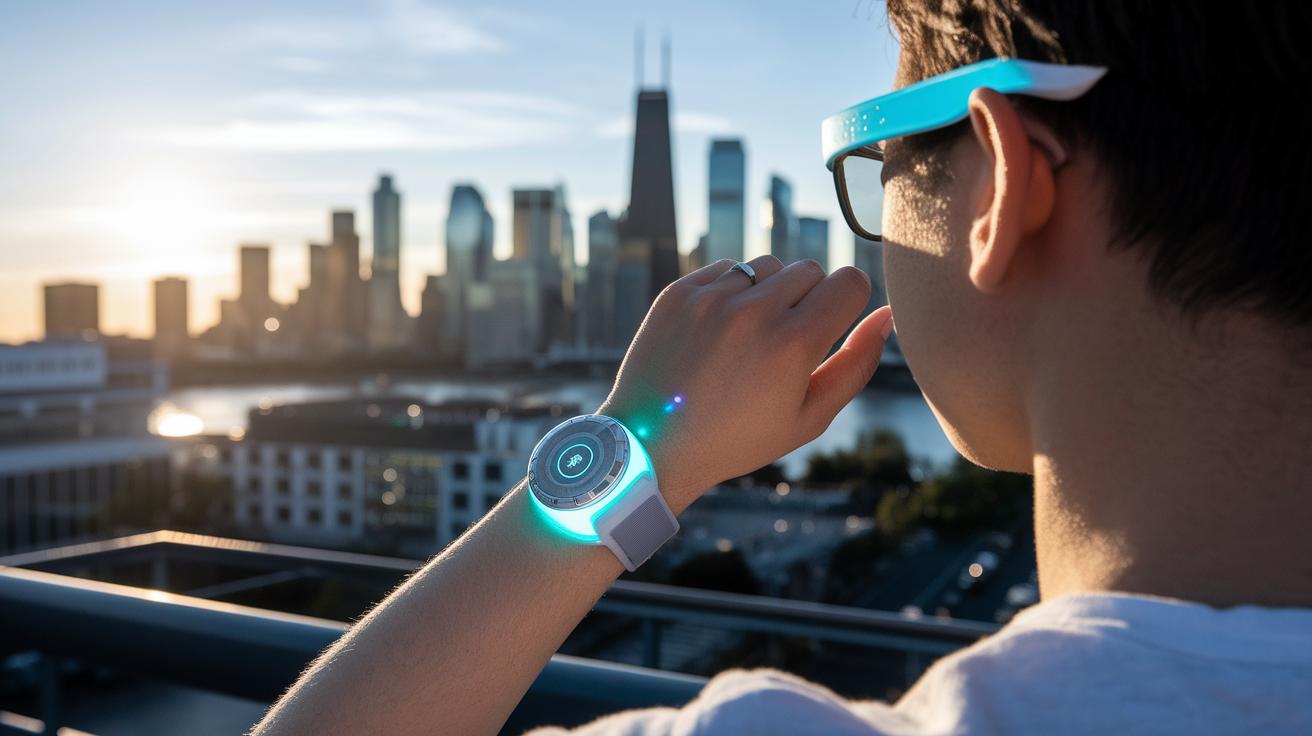

Have you ever thought your wristwatch could do more than just tell time? Today's wearables are smart health companions, way beyond a simple clock. They’re packed with intuitive sensors that check your oxygen levels, track your body temperature, and even send alerts if something seems off, like a sudden fall.
Imagine having a gadget that gives you personalized health insights, almost like chatting with a friend who really gets you. Whether you’re already a tech enthusiast or just curious about new trends, these devices make understanding your health feel natural and accessible.
In this post, we’re exploring the coolest trends in wearable technology and revealing how these smart tools are not only keeping us safer but also adding that extra touch of convenience to our everyday lives. Ready to see how your wristwear can transform your routine?
Current Wearable Trends and Market Overview
Wearable smart devices have truly stepped into the spotlight. What once seemed like niche tech has now become essential for our everyday health and well-being. They're no longer just about counting steps or showing notifications. Today’s wearables track blood oxygen levels, measure body temperature, detect falls, alert you during emergencies, and even provide FDA-cleared ECG readings. It’s clear that we’re looking for deeper, more actionable health insights from something as personal as our accessories.
Over the years, these gadgets have transformed from simple timekeepers into sophisticated health companions. Remember when a watch was just a watch? Now, with the help of generative AI (a type of technology that learns and adapts to your needs), wearables offer features like health scoring and personalized coaching that are both intuitive and life-enriching. It feels like every update is paving the way for the next big leap in personal health management, especially as more first-time users jump on board with these powerful, budget-friendly tools.
| Year | Key Catalysts | Major Innovations |
|---|---|---|
| 2022 | Initial mainstream adoption | Enhanced blood oxygen and basic health sensors |
| 2023 | Expanding features | Advanced body temperature and fall detection |
| 2024 | Generative AI integration | Personalized health scoring, virtual assistance |
| 2025 | Market diversification | Full health ecosystems with conversational agents |
All these developments hint at a market ripe for a tech breakthrough. With advanced sensors and generative AI working hand in hand, consumer expectations are shifting fast. The blend of rapid device evolution and growing interest in tailored health metrics is setting the stage for integrated digital health ecosystems that fit seamlessly into our daily lives. Isn’t it exciting to imagine what these smart companions will do next?
Emerging Smart Devices Transforming Wearable Technology
Smartwatches
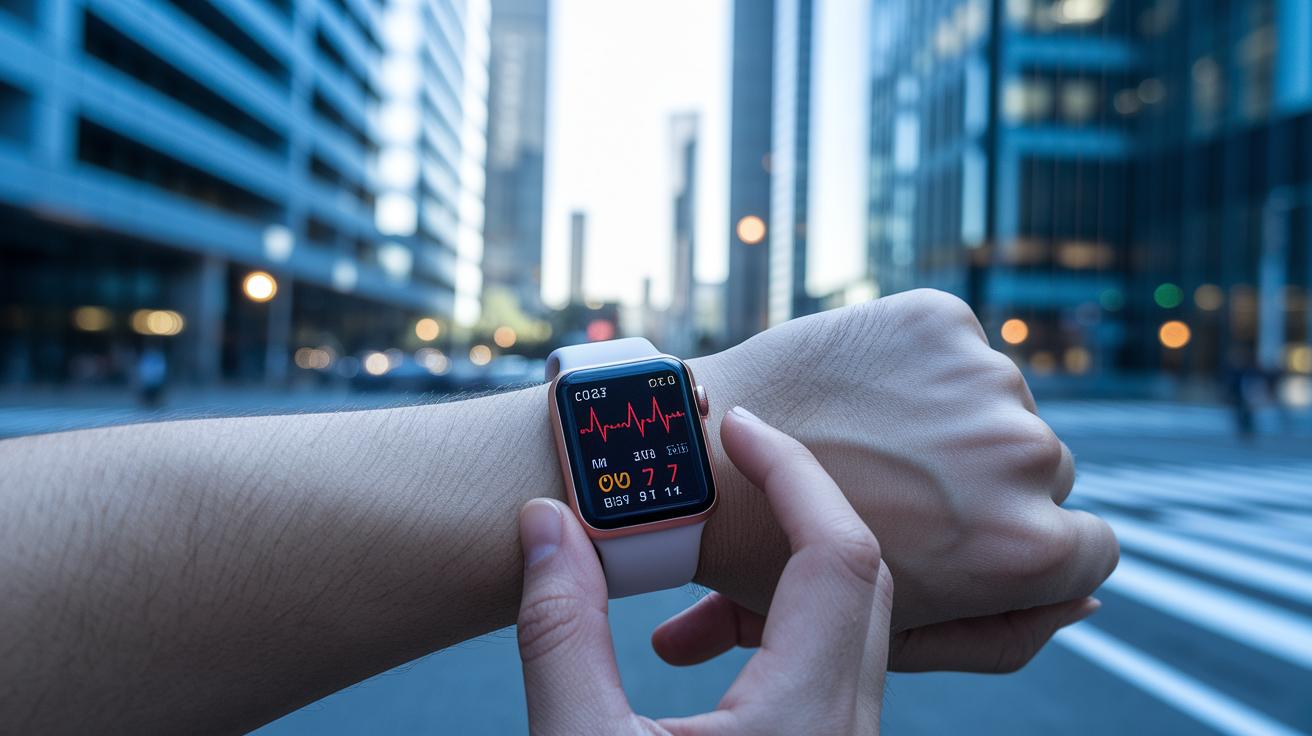
Smartwatches are stepping up their game, fusing health tracking with everyday connectivity. Leading brands like Apple, Samsung, and Garmin now pack these devices with advanced sensors that check your heart rate, temperature, and oxygen levels. They also deliver real-time notifications and even support mobile payments using LTE and 5G (the next generation mobile internet speed). The slick, evolving designs make them essential gadgets for anyone who’s always on the move and keen on staying healthy. Ever noticed how the right device can just change your routine?
Fitness Trackers
Fitness trackers are getting smarter without losing their simplicity. Think of models such as Fitbit, Garmin, or Whoop, they offer long battery life and a clean, minimalist look, along with key metrics like GPS tracking, VO2 max (a measure of your aerobic capacity), and even indicators of stress. With subscription-based insights, these gadgets serve up personalized fitness plans and real-time alerts, making them a great fit for anyone in search of affordable yet high-performance gear.
Implantables
Implantable devices are shaking up the wearable market by moving tech from the surface to under the skin. Tiny NFC and RFID chips now power secure, contactless payments and digital ID storage, while more advanced brain-computer interfaces like Neuralink are being tested for real-world use. This emerging tech hints at a future where your technology isn’t just something you wear, it becomes a seamless part of your life. It’s all about enhanced security, smoother digital interaction, and a touch of futuristic convenience.
Advancements in Health Monitoring Wearables
Have you noticed how today’s wearables have evolved from luxury tech to everyday essentials? Advanced sensors that were once exclusive to high-end devices now help everyone keep track of their health. Modern gadgets are packed with features like ECG (a test that monitors your heart’s rhythm), SpO₂ (which checks your blood oxygen levels), skin temperature measurements, and even fall detection, all available at prices that won’t break the bank.
These smart devices take it a step further by monitoring key stats such as your heart rate, calorie burn estimates, VO₂ max (an indicator of how efficiently you use oxygen during exercise), and even stress levels. They rely on motion modules powered by AI algorithms, basically, clever computer programs that give you real-time insights into how your body’s performing, making it easier to fine-tune your daily routine without having to sift through complicated data.
Recent breakthroughs in miniaturization mean that these sensors are now comfortably nestled into compact forms like wristbands, patches, and earbuds. There are even smart clothing options out there that incorporate assistive technologies for continuous vital monitoring, enhancing sleep analysis and offering both comfort and high-tech oversight in one sleek package.
And with enhanced regulatory compliance and tighter accuracy standards now in place, consumer trust is higher than ever. With devices that are thoroughly validated and officially approved, wearables are setting new benchmarks in reliable, everyday health monitoring for everyone.
Evolution of Wearable Accessories: Rings, Jewelry, and Clothing
Smart Rings and Jewelry
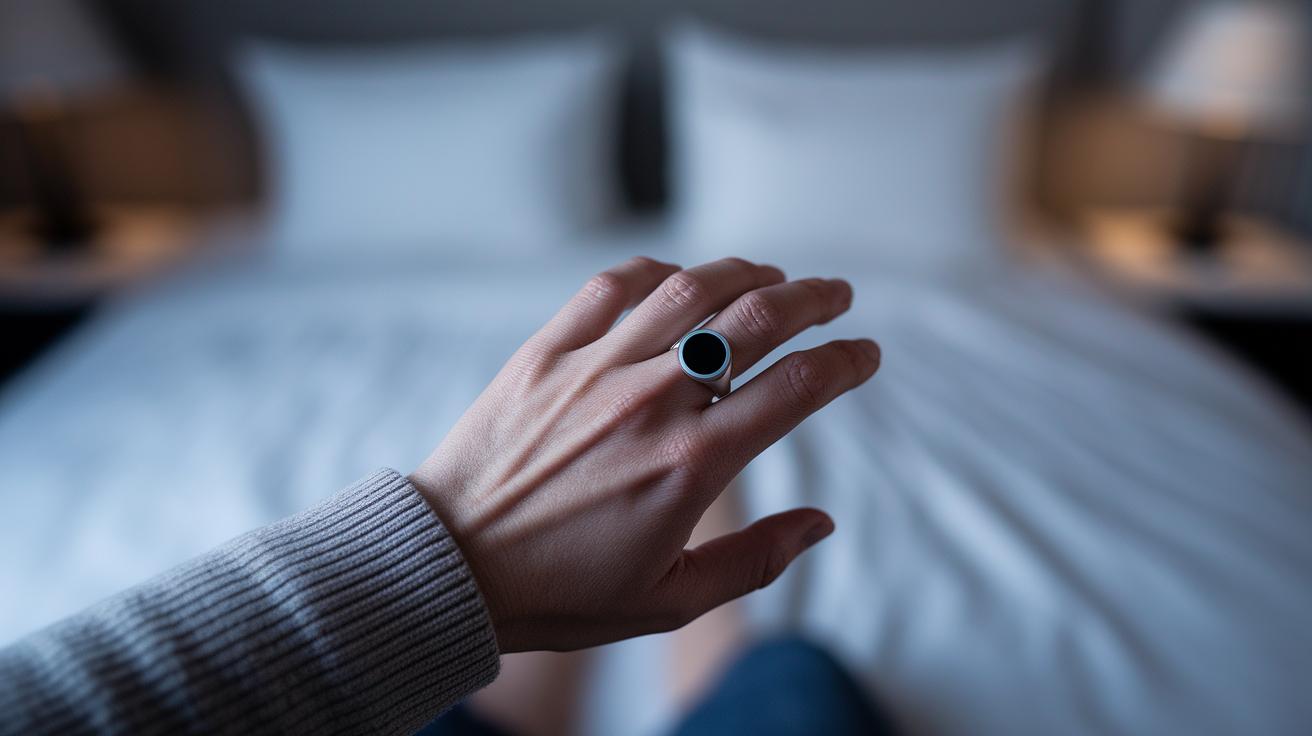
Ever considered how a simple ring could quietly work wonders for your health? Today’s smart rings and jewelry pack advanced sensors into familiar, stylish forms, delivering clear insights into your sleep and recovery patterns without shouting for attention. Brands old and new, even a much-anticipated device like the Samsung Galaxy Ring set for 2025, are proving that tech can be both smart and subtle. Curious how it all comes together? A quick glance at our oura ring review shows just how effortlessly these devices track your sleep quality and recovery trends.
Smart Clothing
Imagine your favorite tee not only looking great but also keeping tabs on your heart rate and breathing. That’s what modern smart clothing is all about. High-tech shirts now monitor your cardiac and respiratory activities in real time, and even smart socks are stepping up by detecting early signs of foot issues, like ulcers. Athletes, in particular, benefit from compression wear that tracks muscle exertion and fatigue, providing useful feedback as you power through workouts or even simple daily routines. It’s like merging cutting-edge fitness tech with the comfort and style of everyday wear.
Head-Mounted Displays
Tech isn’t stopping at what you wear, it’s also transforming how you experience digital content. AR/VR headsets combine augmented and virtual reality to create immersive experiences that enhance everything from training sessions and team collaborations to your favorite media moments. With these head-mounted displays, you can overlay digital insights onto the real world, making both work and play more engaging and interactive. Isn’t it amazing how technology can turn routine moments into dynamic experiences?
Industrial and Enterprise Wearable Technology Trends
Industrial wearable technology is reshaping how businesses handle on-site operations. Imagine devices that track every movement and provide real-time visuals for keeping processes smooth, it's like having a smart assistant ensuring peak efficiency. Scheduled rotations and automated adjustments help ward off fatigue, keeping teams alert and ready. In short, these wearables are proving their worth by boosting productivity and overall performance.
Safety is another major focus. By using low-range RF signals (that is, radio signals designed for short distances), these devices can stream both raw and refined data even if connectivity isn't perfect. This means that field teams receive instant safety alerts and hazard warnings exactly when they need them. Companies are turning to this tech to cut on-site risks, streamline emergency communications, and reduce accident rates.
Meanwhile, emerging AR headsets are blurring the lines between digital and real-life workspaces. With metaverse integration making remote troubleshooting, training, and digital-twin collaboration more accessible than ever, these gadgets offer interactive digital overlays and easy setup guides. This hands-on tech approach is setting fresh benchmarks in workforce management and job-site safety.
Future Forecasts and Innovation Predictions in Wearable Technology Trends
Our next generation of wearables is set to use generative AI (a smart method that creates insights from data) to offer dynamic health tracking, real-time predictions, and even voice-guided coaching. It’s like having a knowledgeable friend who learns your routine and gives you helpful tips exactly when you need them.
Advances in material science are opening up fun, new ways to wear technology. Imagine wearing smart rings, subtle patches, or even eco-friendly biodegradable sensors by 2026. These designs are not only stylish and discreet but also kind to the environment, making everyday tech feel as natural as your favorite accessory.
Software platforms are coming together to seamlessly sync data from all your devices. Soon, you’ll have a single dashboard that paints a full picture of your health, much like a digital ecosystem that connects every piece of your wellness puzzle. This integration simplifies managing your information, making it intuitive and effortless to stay on top of your health.
Consumer Adoption and User Experience Trends in Wearable Technology
It’s pretty cool how first-time buyers are diving into wearable tech. With entry-level prices between $50 and $100, these gadgets break the bank barrier and make smart tech feel accessible. They’re not just about keeping track of your steps or heart rate, they’re stylish enough to be a part of your everyday look while keeping you connected. Honestly, this kind of affordability is reshaping what people expect from their tech.
The magic really lies in the user experience. Modern wearables have a setup process that’s as smooth as making a perfect cup of coffee. Features like streamlined onboarding and natural, voice-powered commands make pairing with your smartphone feel effortless. It’s no wonder that what starts as a curious experiment quickly turns into a genuine attachment.
And don’t get me started on subscription models. These features offer smart insights and personalized fitness tips, transforming these devices into true companions. Regular software updates and a thriving app ecosystem ensure your wearable is always ready to impress, keeping your digital health journey both fun and intuitive.
Final Words
In the action, this article explored how wearable technology trends have reshaped our everyday devices, from smartwatches and fitness trackers to innovative accessories and industrial tools driving efficiency. It combined market insights with future predictions powered by generative AI for a comprehensive tech guide.
We broke down how these tools are enhancing health, connectivity, and user experience across price points. The enthusiasm for these wearable technology trends is clear and promises smart, exciting days ahead.