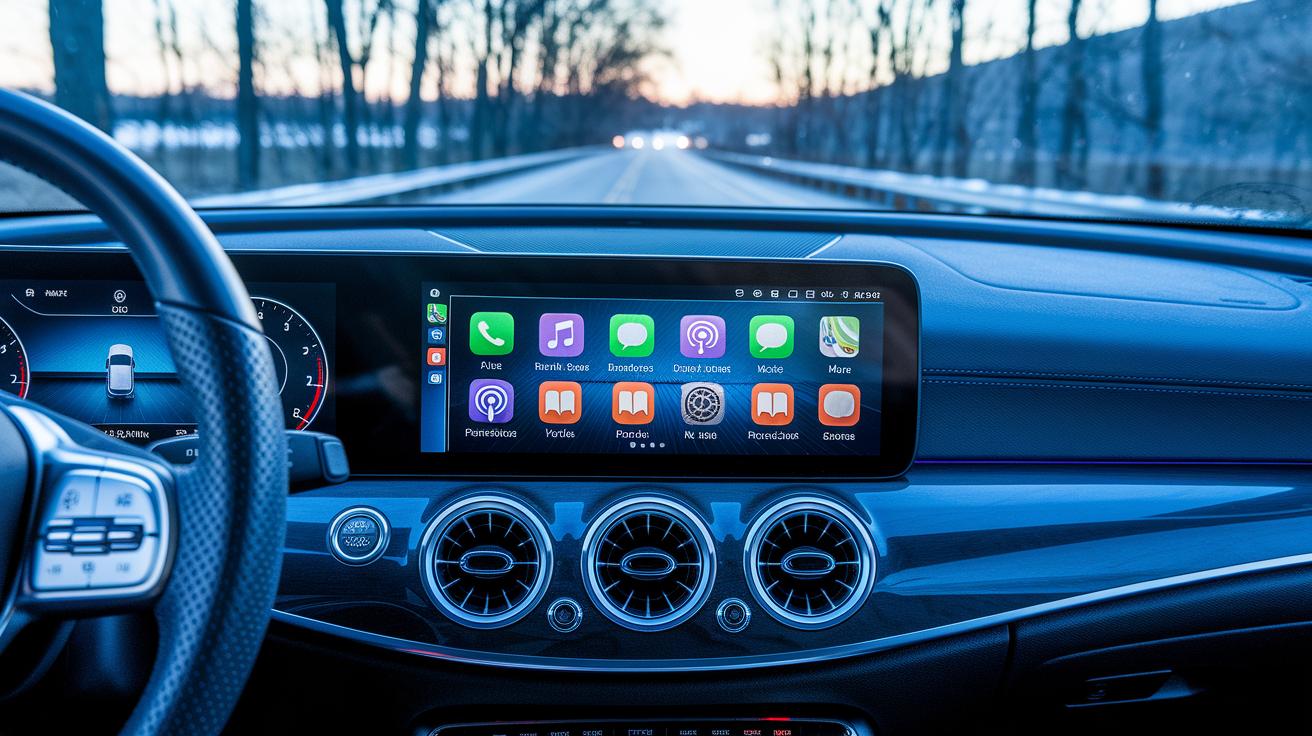

Ever thought about your car having its own conversation with the world? It’s like your ride is wired with a digital nervous system, gathering sensor data and instantly sharing it to guide your journey. With smart in-car tech hooked up to wireless connections, you get real-time updates on everything, engine performance, road conditions, and more, making your drive feel not just safe but truly connected.
This write-up uncovers how embedded systems and real-time communication come together to transform everyday driving. Imagine your car giving you that smooth, reassuring touch like it’s looking out for you every step of the way. So, buckle up and dive in, discover how these advanced technologies turn ordinary commutes into seamless, information-rich adventures.
how do connected cars work: A Brilliant Insight
Connected cars aren’t about self-driving magic, they’re all about staying connected. They continuously exchange real-time data, which boosts everything from navigation to in-car entertainment and safety. Basically, they work like a digital nervous system where sensors and control units (ECUs) team up to keep an eye on things like engine performance and road conditions.
There are two main systems at play here. First, you have the embedded system architecture, built right into the car’s hardware. Think of these on-board sensors as the car’s very own “eyes and ears,” noticing everything from engine temperature to changes in the environment. For instance, if a sensor picks up an unexpected spike in engine heat, the ECU instantly alerts you, almost like your phone sending you a weather warning.
Then there’s the tethered system, which connects the vehicle to the internet through a paired device. This system bridges any gaps by transmitting data over wireless networks like 4G (or even faster 5G, which is the next step in mobile internet speed) or vehicle-to-everything (V2X) links. This continuous flow of information helps the car make smart decisions in real time, ensuring you’re always in the loop.
In short, connected cars blend in-car sensor tech, quick-response ECUs, and robust network connections to constantly capture, process, and exchange data. The mix of embedded and tethered systems turns your car into a dynamic part of a broader digital ecosystem, making driving not only safer but a more interactive experience. Isn’t it cool how technology makes every drive feel like a conversation with a good friend?
Connected Cars Network Architecture: From Sensors to Cloud

Every connected car relies on a smart, layered system that turns raw sensor data into clear, actionable insights. In your car, sensors constantly check everything from engine temperature to ambient light and then send this info to electronic control units (ECUs). Picture it like this: a sensor notices the engine temperature climbing way too fast and immediately sends an alert saying, "Hey, engine heat rising quickly!"
Next, edge devices jump in to process the most critical data right there in the car, meaning your vehicle can make split-second decisions without waiting for instructions from afar. Meanwhile, secure cellular networks like 4G and the rapid, millisecond-speed 5G (think of it as the next-level mobile internet) along with vehicle-to-everything (V2X) links make sure that this processed data gets transmitted wirelessly in real time. This setup not only keeps your navigation and diagnostics on point but also delivers timely safety alerts whenever you need them.
Once the data leaves the car, it lands on cloud analytics platforms. These platforms use APIs (basically, tools that let different software systems chat with each other) and interactive dashboards to convert raw data into understandable insights. For instance, when sensors pick up unusual vibrations, the cloud can quickly analyze the issue and pinpoint potential problems, almost like having a mechanic’s keen eye on the job.
Bringing it all together, from sensors to ECUs, then to edge devices and finally into the cloud, creates a dynamic, responsive automotive experience. It’s like your car has a built-in tech-savvy buddy, seamlessly ensuring everything runs smoothly while keeping you informed and safe.
Telematics and IoT Integration in Connected Cars
Cars today come equipped with onboard telematics units that serve as their central command center. These smart systems pull data from sensors, GPS, and on-board diagnostics (OBD, which monitors your car’s inner workings) so you’re always in the loop. Imagine a sensor catching a rough patch of driving and then instantly notifying fleet managers, kind of like your car giving you a quick heads-up about its performance.
Telematics teams up with IoT modules to capture vast amounts of data, sending it over to cloud systems where it’s processed in almost real time. Think of it as your car sharing a speedy health check with a digital consultant. Fleet managers can easily view dashboards that show driver behavior and even get proactive alerts about maintenance issues before they turn into bigger problems.
This smart integration is also reshaping automotive cloud services and digital diagnostics. Real-time navigation, over-the-air firmware updates (software patches pushed remotely), and even automated alerts are now part of the mix. For instance, if sensors pick up unusual engine vibrations, both the driver and fleet management receive an alert, prompting a timely check-up to keep everything running smoothly. In short, this seamless data flow makes connected cars not just smarter, but genuinely more responsive to our everyday driving needs.
Wireless Networks Fueling Connected Cars Connectivity
Modern wireless networks are redefining what connected cars can do. Thanks to 5G (the next generation of mobile internet speed with super low latency), cars now communicate at speeds up to 100 times faster than previous technologies. This means data flows quickly and efficiently, making modern vehicles smarter and more responsive.
Imagine this: downloading a full HD movie in just a few seconds. That’s the kind of breakthrough speed we’re talking about with 5G. It’s not just about real-time telemetry or traditional safety alerts, it’s the overall shift in how technology powers our daily drives, making every journey smoother and more connected.
Integrated Data Exchange and Over-the-Air Updates in Connected Cars
Connected cars have stepped up their game – it’s not just about tracking driving metrics anymore. Instead, they’re hooked into a smart system that enables remote upgrades and tweaks, much like how your smartphone gets timely updates. For instance, Tesla once used OTA patches to turn a potential safety hiccup into a smoother, more secure drive.
All the data, from engine performance to driver behavior, is securely funneled to cloud-based auto diagnostic platforms. This steady stream of information lets engineers identify issues in real time and patch them up on the fly, all while you’re on the move.
Think of automotive firmware management like nurturing a living digital ecosystem right inside your car. Manufacturers not only fend off cyber threats but also continuously roll out improvements that boost both performance and safety. Each update makes your car a little smarter, adapting seamlessly to new challenges without any extra effort from you.
In short, your vehicle is constantly fine-tuning itself. By integrating new features and tightening security, it ensures that your driving experience remains both cutting-edge and reassuringly safe.
Security Strategies for Connected Cars Communication
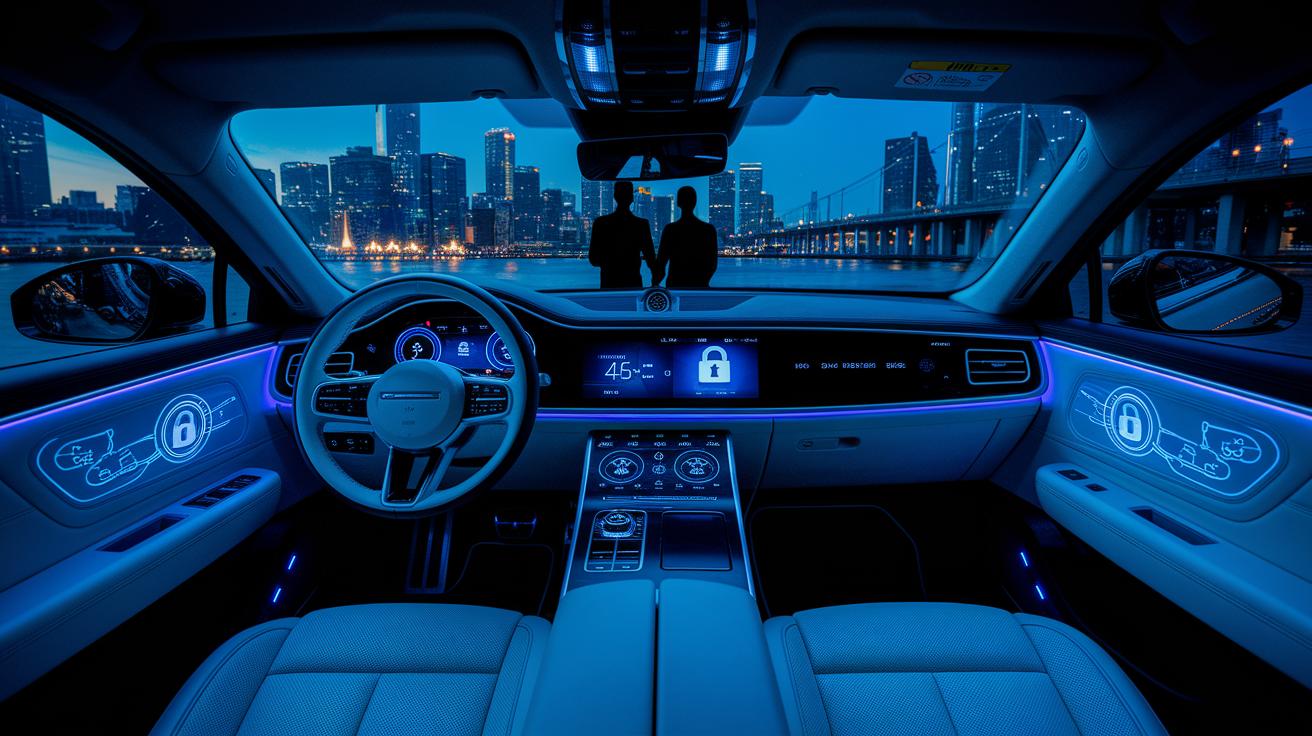
Connected cars are awesome, but they come with their share of risks like vehicle theft and phone hacking. That’s why manufacturers are doubling down on strong cybersecurity measures to protect the non-stop flow of data these vehicles share.
A major defense strategy is end-to-end encryption. Imagine it as a digital padlock that shields your sensitive data. It makes it incredibly tough for unauthorized folks to intercept or change any information, like your car sending diagnostic data that only trusted devices can unlock.
Secure channels also lean on Virtual Private Networks (VPNs) to keep data transmissions isolated from potential threats. Whether it’s on a cellular network or through V2X links, which enable your car to talk to smart devices, the data gets heavy-duty encryption. Think of it like receiving an encrypted text on your smartphone, where every bit of your car’s data travels safeguarded across the networks.
Over-the-air updates are another key player here. These updates fix security gaps as they emerge, without forcing you into a trip to the dealership. This continuous patching process narrows the window of opportunity for cybercriminals, keeping your ride safer every day.
And it doesn’t stop at individual companies. Manufacturers, tech giants like Microsoft and Qualcomm, and regulatory bodies are teaming up to shape secure communication standards. These collaborations ensure that vehicle systems are not only robustly protected but also earn drivers’ trust in their tech-forward, safe cars.
Advanced Sensor Fusion and Diagnostics in Connected Cars
Modern connected cars bring together a mix of in-car sensors, think OBD II, accelerometers, and GPS, to create a smart, integrated diagnostic system. This process uses precise calibration and nifty data-fusion algorithms to convert raw sensor data into clear, digital diagnostics that catch problems before they escalate. Imagine your car’s accelerometer detecting a sudden slowdown alongside odd engine readings; in that split second, the system flags a potential collision risk and notifies both you and your service team.
The secret sauce behind this smart sensor mix is fine-tuned calibration. When onboard sensors pick up unusual engine vibrations, built-in routines adjust the raw signals to remove any unwanted noise. The result? A reliable alert that not only warns of possible collisions but also triggers timely maintenance notifications. It’s a proactive setup that keeps your fleet running smoothly by leveraging cloud analytics.
Thanks to this seamless sensor fusion, digital vehicle diagnostics now offer real-time insights into engine performance, safety alerts, and overall vehicle health. The calibration and data-fusion processes work hand in hand to merge data from various sensors, ensuring that every alert is both consistent and actionable. This approach empowers you to make smarter decisions about repair schedules and driving safety.
In short, this integrated system shows just how essential modern in-car sensor technology is for developing a predictive maintenance framework that protects drivers and vehicles alike, all while optimizing performance in our ever-connected automotive world.
Future Connected Car Technologies: V2X and Smart Mobility
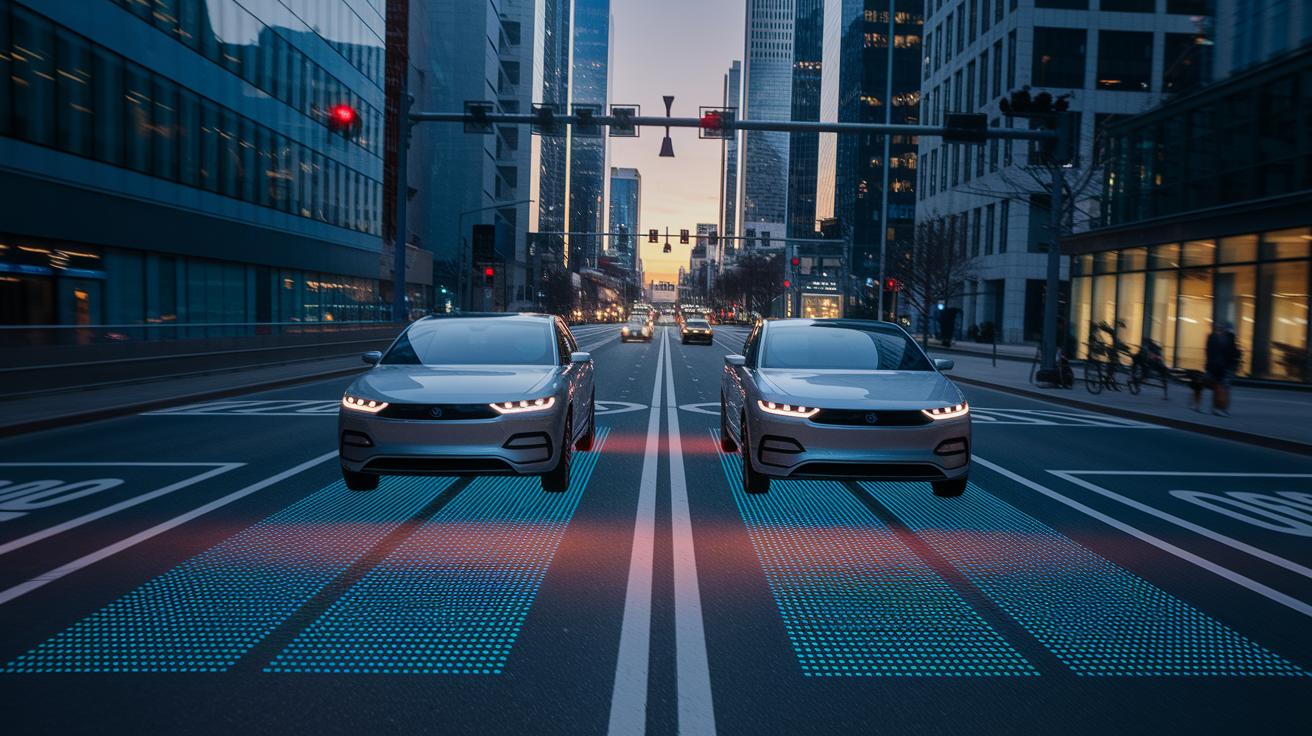
The connected cars of the future are building a network where every vehicle chats in real time with traffic signals, road sensors, and even smart city systems. V2X (vehicle-to-everything, or simply a way for cars to talk to their surroundings) makes it possible for your car to alert you with simple messages like, "Hey, traffic's moving differently today!" This friendly exchange not only keeps things flowing smoothly but also sets the stage for practical testing that helps perfect these systems.
Emerging technologies such as DSRC and C-V2X (methods that allow cars to share data quickly and reliably) are undergoing extensive real-world trials. Imagine your car sending instant alerts to nearby vehicles about sudden stops or unexpected obstacles, just like a quick chat with a buddy. This kind of rapid, real-time communication is a basic building block for smart vehicle integration, making the data flow as naturally as everyday conversation.
And there's more: trends like electrification and the use of digital twin platforms are accelerating the smart mobility revolution. Think of a digital twin as a virtual model of a car that tests different scenarios before the actual vehicle even hits the road. This close teamwork between the digital replica and its real-world counterpart offers priceless insights for enhancing both performance and safety. In short, these exciting innovations point toward a future where connected cars not only drive themselves but also help create smarter, more adaptive urban environments.
Final Words
In the action, we explored connected car systems from basic embedded setups to advanced sensor fusion and real-time data streams. Each segment uncovered how on-board sensors, ECUs, and wireless links create a continuous exchange that powers everything from diagnostics to OTA updates.
We also highlighted wireless networks and security measures that keep data safe while boosting performance. It’s exciting to see how do connected cars work in the real world, paving the way for smarter, safer, and more intuitive driving experiences.
FAQ
How do connected cars work, such as Tesla models, and how does a connected car operate?
The connected car works by integrating embedded systems and on-board sensors with wireless networks. For instance, Tesla models use 4G/5G data exchange to deliver navigation, diagnostics, and real-time safety alerts.
What are connected vehicles and how do they fit into the IoT?
Connected vehicles are cars equipped with mobile technology and sensors that continuously exchange data. They join the IoT ecosystem by providing navigation updates, diagnostics, and smart features through wireless networks.
What are some examples and brands of connected cars?
Cars like those from Tesla, BMW, and Ford serve as examples, featuring real-time data exchange and over-the-air updates. These brands use advanced sensors and telematics to improve navigation, safety, and vehicle maintenance.
What does the connected vehicle rule mean, and what is a connected vehicle platform or PDF resource?
The connected vehicle rule refers to guidelines for secure data exchange and standardized communication, while a connected vehicle platform collects and processes sensor data. Detailed information is often available in industry PDFs.
Are there any disadvantages to connected cars?
Disadvantages in connected cars include data privacy concerns and cybersecurity risks due to continuous wireless communication, which call for strong security protocols and regular software patches.
Does a Wi-Fi hotspot in a car cost money?
A Wi-Fi hotspot in a car typically involves data plan fees, much like a smartphone subscription, with costs varying by service provider and plan.
What data do connected cars collect?
Connected cars gather information such as GPS location, vehicle diagnostics, driver behavior, and sensor readings, which are used for navigation updates, maintenance alerts, and improved safety features.