

Ever wondered if a digital twin could really cut testing time in half? Think of it as a virtual copy that behaves just like the real thing, letting you run tests without the hassle. Industries, from auto manufacturing to farming, are already seeing how this tech can speed up checks and boost accuracy.
Recent updates show that these digital replicas can streamline complex processes, making everything run a bit smoother. In short, this article dives into how these innovations are simplifying tough tests and ramping up efficiency in everyday operations. Stay with us as we break down the latest tech news, market trends, and fresh innovations reshaping how products are built and evaluated.
Industry Overview: Key Digital Twin Technology News and Market Insights
Innovative digital twin technology is speeding up everything from design to operational testing, earning a spot as a must-have tool for engineers, operators, and investors. These breakthroughs are simplifying everything from chip-level checks to full vehicle tests while boosting product life cycles across industries like automotive and agriculture. They not only cut development times but also improve system reliability, changing how companies tackle complex engineering puzzles.
• SAICEC teams up with Siemens PAVE360 for automotive checks (Jul 2024) – This update shows how integrating system-to-chip verification can dramatically cut validation times for car manufacturers.
• UF turns digital twin tech to simulate a strawberry farm all year (Jun 2024) – An AI-based model mimics agricultural conditions, making it possible to keep research going regardless of the season.
• USDA-NIFA allocates $5M for an avocado production twin (May 2024) – This federal investment supports cutting-edge simulation methods in farming, paving the way for more efficient production strategies.
• DataMesh, Tomorrow Things ($1.5M), KIT-AR (€3.3M), Sensos ($20M), Unlearn ($50M), Xreal ($60M) rounds wrap up (Apr 2024) – Several funding rounds highlight strong market confidence in digital twin platforms that range from data analytics to augmented reality visualization.
• A new sustainable modular-building twin framework debuts (Mar 2024) – Researchers are rolling out twin frameworks with a focus on sustainability to enhance resource efficiency in construction.
• AVEVA releases an Industry 4.0 twin case study (Feb 2024) – This study dives into how twin solutions can boost performance in industrial operations.
Trends are pointing to a deeper use of AI in digital twin systems, which makes automated tests and design processes smoother and faster. Plus, collaboration among different industries, from carmakers and construction firms to agricultural tech startups, is sparking fresh innovations. Sustainable practices are stepping into the spotlight too, as twin frameworks now help design eco-friendly systems. These trailblazing developments continue to push digital twin technology to the forefront of modern industrial progress. Stay tuned for more updates at https://lovethisgadget.com?p=.
Virtual Replica Headlines: Noteworthy Press Releases in Digital Twin Technology
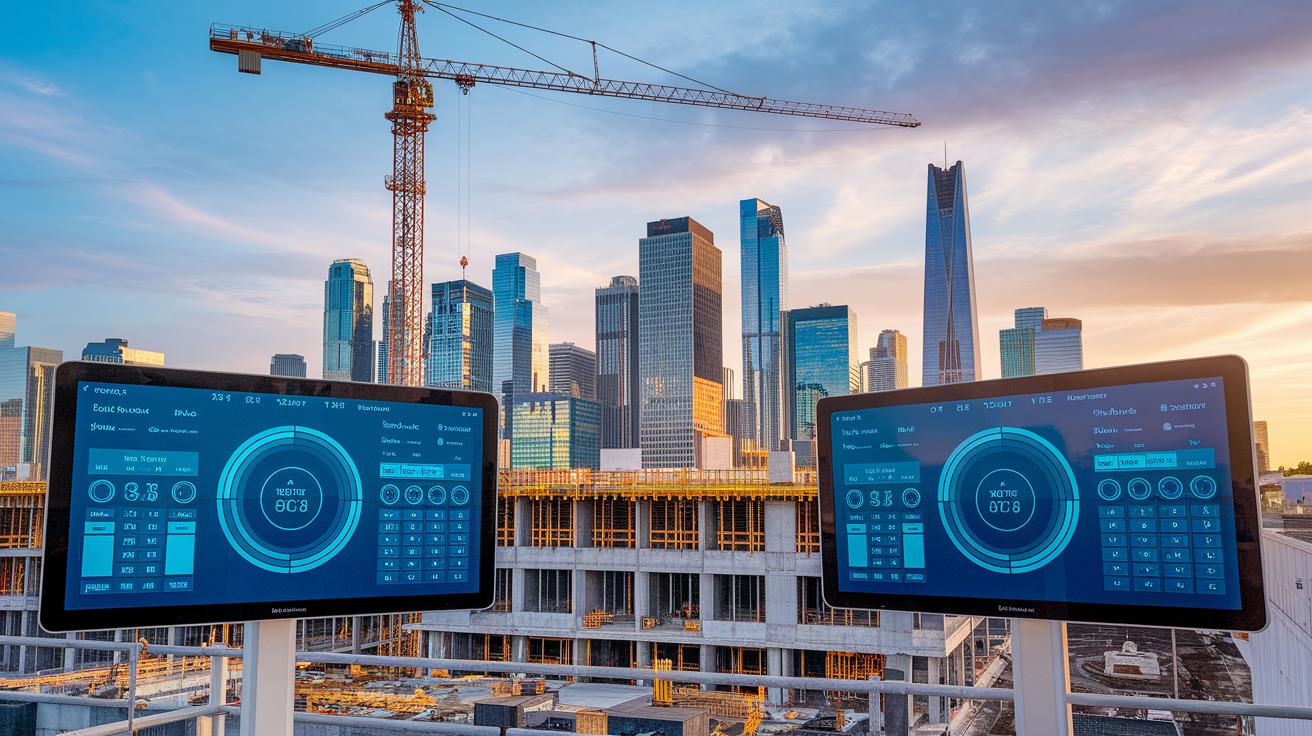
Lately, press releases in the digital twin world are making waves. They show us that digital twin technology isn’t just a buzzword, it’s genuinely reshaping workflows and fine-tuning systems. Stakeholders now have a front-row seat to innovations that aim to ramp up efficiency with smarter, integrated models.
For instance, RIB Software recently rolled out fresh digital twin solutions to simplify construction workflows, cut delays, and boost project accuracy. They’re excited about tools that simulate real-time conditions, giving engineers insights they can truly act on. Meanwhile, Ohio University partnered with HTC VIVE and Virtualware to launch an industrial metaverse pilot that’s changing the game in manufacturing. This initiative is redefining remote work by enabling virtual operator training and smarter predictive maintenance. And if that wasn’t enough, ETAP’s study on twin-based power system modeling confirms that these digital replicas lead to real performance gains.
Siemens, on the other hand, has laid out a bold roadmap for its industrial metaverse and twin integrations, setting a high benchmark for the future of digital transformation. Their vision paints a future where hardware and its digital twin work in effortless harmony. Not to be outdone, Apple Vision Pro is already showing promising early results by using twin-powered simulations to elevate design and visualization. All of these announcements are not just tech news, they’re setting a fast-paced trend for technology adoption and inspiring confidence across industries. In short, these breakthroughs are guiding us toward a future that’s more connected, efficient, and innovative.
Cyber Counterpart Breakthroughs Enhancing Digital Twin Technology
Breakthroughs like Siemens’ PAVE360 are changing the game for chip-to-vehicle interactions. This tool not only checks performance but also tackles emerging cybersecurity challenges in automotive projects. It creates realistic simulation conditions, giving engineers a clear overview that combines system-level testing with advanced digital safety measures. With added deep technical analysis, think anomaly detection algorithms, it really sets itself apart from traditional verification methods. In other words, automated testing now acts like a real-world mirror, ensuring designs can handle practical demands.
Automated system-level testing now mimics physical conditions with impressive accuracy, cutting down development cycle times significantly. AI-powered network planning continuously refines resource use in these digital twin frameworks, so performance stays steady even as software demands change. Unified hardware-software twin tools work together seamlessly, speeding up problem detection and boosting system efficiency. This blend of smart testing and proactive cybersecurity checks brings a fresh wave of innovation to digital twin technology.
Simulated Model Updates: Recent Product and Platform Launches in Digital Twins

Digital twin technologies are really catching on as businesses look for simulation models that truly mirror real-world conditions while offering smart, integrated solutions. This trend shows that these platforms are not only getting more technically refined but are also stepping up to practical challenges like making faster, better decisions. New, collaborative approaches are opening up exciting ways to boost system accuracy and responsiveness.
Companies are now ramping up their digital twin capabilities by weaving in modern AI (that’s short for artificial intelligence, which helps machines learn) and AR visualization (augmented reality that creates engaging, immersive displays) tools. One company has improved its analytics to offer real-time, actionable insights, and another has sharpened its simulation precision for industrial use. Fun fact: a solar panel installation sped up simulation runs by 40% after integrating an enhanced digital twin model. In short, these smart tweaks are designed to fit unique industry needs, from streamlining supply chains to fine-tuning clinical research, laying the groundwork for smarter decision-making and a more integrated approach to system management.
Mirrored System Trends Shaping Digital Twin Technology News
Keeping up with mirrored system trends is essential if you want real-time insights that lead to smarter decisions. It’s all about moving from reactive fixes to proactive strategies. Think of it as weaving digital replicas into everyday processes to boost both reliability and efficiency. For example, one leading energy firm cut their operating expenses by 20% after switching to twin-based modeling. In short, these insights aren’t just solving engineering challenges, they’re laying the groundwork for scalable innovation.
Digital twin frameworks are also shaking up sustainable design. They’re cutting waste and making resource use more efficient. Take a modular construction project that recently reduced material waste by 15% thanks to smart simulations. Predictive analytics in maintenance have become a game-changer, pinpointing issues before they grow into bigger problems. One manufacturing facility even saw an 18% drop in unplanned downtime after adopting twin-driven monitoring.
Metaverse platforms are creating buzz by redefining remote collaboration. Imagine teams running immersive, real-time training sessions that flawlessly simulate even the most complex industrial scenarios. And in agriculture, year-round simulations are breaking the old seasonal boundaries, tech innovations are now helping farmers optimize crop strategies continuously, boosting yields by roughly 12-15%. On the enterprise level, digital twin deployments are streamlining network planning. R&D teams are using these digital models to upgrade supply chains and cut costs, ensuring that whole operations run more smoothly.
Recent trends show that twin-based sustainable design not only supports robust environmental performance but also strengthens economic outcomes by targeting and reducing waste. Advanced predictive maintenance is reworking quality control, where smart sensors and live simulations lead to data-driven adjustments that enhance overall system reliability. And with metaverse integration, remote training now mirrors hands-on experiences, letting teams fine-tune their skills without the constraints of physical space. Innovations in agricultural simulations are transforming traditional farming practices, and continuous data feeds are making it easier to adapt to changing conditions. Finally, scaling twin-based network tools at the enterprise level is revolutionizing infrastructure planning, from energy management to logistics, proving that digital twins are a real game-changer.
Case Studies in Digital Twin Technology News: Success Stories and Real-World Impact

ETAP’s Power Grid Digital Twin
ETAP’s digital twin is seriously changing the game for power grids. By continuously monitoring network activity with real-time data and smart predictive algorithms, the system can spot potential issues before they turn into big problems. And thanks to improved load forecasting, operators can now make decisions that keep the grid up and running more smoothly. All of these insights are tied back to what we’ve seen in Virtual Replica Headlines, painting a clearer picture of operational gains in modern energy management.
RIB Software’s Construction Twin Deployment
RIB Software has taken on construction management with its digital twin that mirrors real-life project conditions. The platform uses integrated sensors to track changes as they happen, which helps cut down on project delays and boosts on-site safety. When you see this work linked with similar projects in Virtual Replica Headlines, it’s easy to appreciate how these real-time updates can streamline project management and drive measurable improvements. In short, it’s all about making construction projects safer and more efficient.
Ohio University Industrial Metaverse Pilot
Ohio University is mixing immersive simulation with practical training in its industrial metaverse pilot. By replicating live production lines through virtual training modules, the project has already boosted manufacturing efficiency by roughly 15% and enhanced remote operator training. The blend of sensory data and simulation not only fine-tunes production but also helps reduce on-site errors. All these impressive results tie back to the insights we’ve shared in Virtual Replica Headlines, presenting a unified and compelling view of how digital twin technology is making a real-world impact.
Final Words
In the action, we broke down breakthrough case studies, market insights, and cutting-edge updates across digital twin technology news. We wove together funding rounds, AI-powered simulations, and real-world applications that showcase smarter tech usage. The discussion highlighted innovations driving sustainability, cross-industry collaboration, and improved efficiency. Stay excited as gadgets push new frontiers, and keep up with the latest digital twin technology news at https://lovethisgadget.com?p=.
FAQ
What do digital twin technology news updates reveal about current trends?
The digital twin technology news today and from 2022 reveal fresh innovations, market shifts, and funding rounds. These updates give engineers, operators, and investors practical insights into evolving simulation practices.
How does Siemens’ digital twin development and case study influence the industry?
Siemens’ digital twin work, including its detailed case studies, demonstrates how simulation solutions streamline automotive validation and industrial processes, setting practical benchmarks for integration and efficiency in digital modeling.
What role do digital twin consortiums, services, and companies play in the tech ecosystem?
Digital twin consortiums, services, and companies foster collaborative progress by combining research, technology, and market expertise. This unified approach drives improved simulation accuracy and accelerates real-world application across industries.
How does a digital twin website serve the tech community?
A digital twin website curates the latest news, case studies, and technology updates, providing a centralized resource for professionals and enthusiasts who seek reliable insights and current digital twin developments.
Where can I find ongoing updates on digital twin technology news?
A dedicated digital twin news website continually posts market updates and innovations, keeping tech professionals informed on industry shifts. For ongoing updates, visit digital twin technology news.