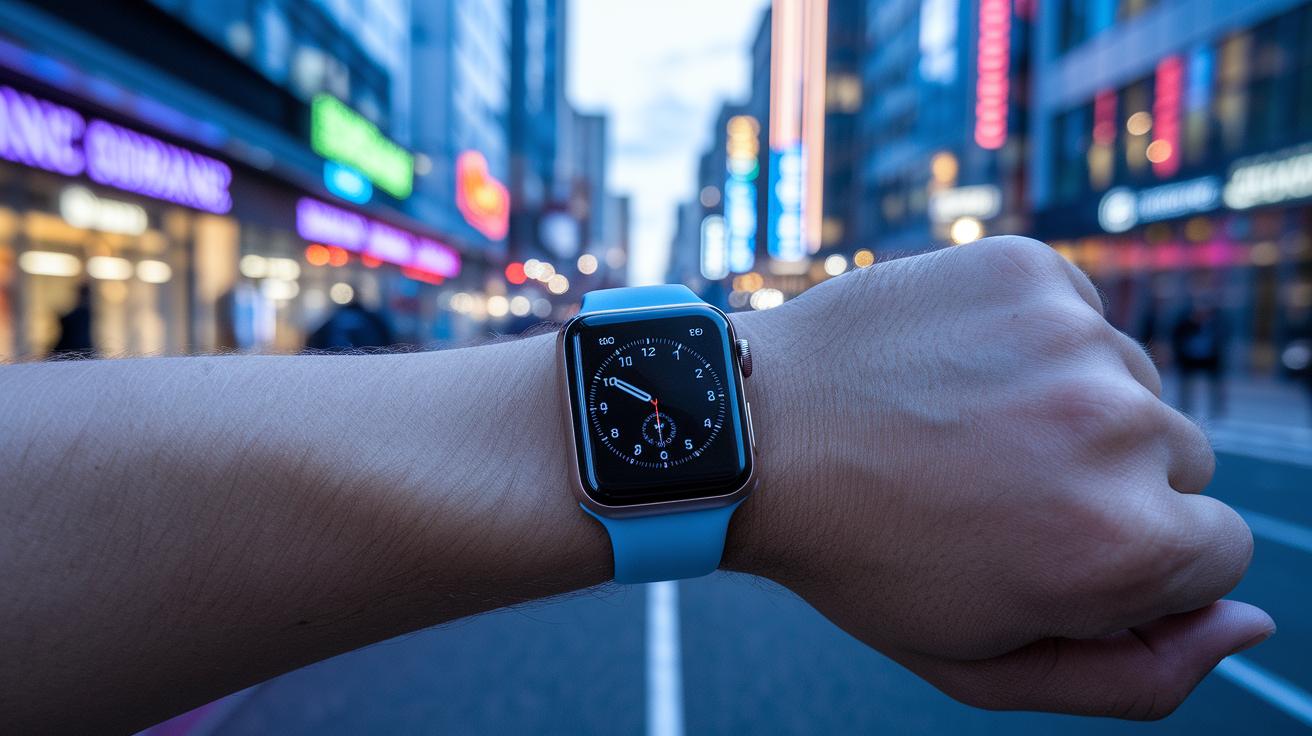

Ever thought a simple gadget on your wrist could completely transform your day? Wearable tech isn't just about telling time anymore, it’s now tracking your heart rate and overall health in real time, like a smart buddy that keeps you informed. These devices combine a sleek design with practical features, making everyday life more connected and easier to navigate. In this post, I'll show you how these cool gadgets fit perfectly into your daily routine, letting you effortlessly keep track of your well-being while adding a dash of style.
Wearable Tech Devices: Cutting-edge, smart and sleek

Wearable tech devices are the modern gadgets you actually wear on your body, combining smart features with a sleek design. They’ve evolved from just being simple timepieces into hands-free tools that keep you connected and in control of your health.
These devices capture real-time data and offer continuous health insights using advanced on-body technology. Think of them as your personal health buddies that monitor your vital signs and track your daily activity, ensuring you’re always informed. Whether you’re checking your heart rate, keeping an eye on blood oxygen levels, or tracking your steps, these wearables simplify everyday tasks so tech feels natural.
They also blend style with functionality, syncing seamlessly with your lifestyle. Digital health trackers and IoT body trackers work with your favorite apps to provide automatic updates, so you're always in the loop. In short, the clever mix of design and smart features shows just how much wearable tech can boost your wellness and productivity.
Up next, we’ll explore different categories like smartwatches with built-in sensors, innovative smart clothing, and personalized fitness trackers – each crafted to meet unique needs in health management and dynamic connectivity.
Categories of Wearable Tech Devices to Consider

Medical Wearables
Medical wearables are all about keeping a close eye on your health, almost like having a friendly assistant that never sleeps. These gadgets, think remote biofeedback units and continuous vital-sign monitors, use embedded bio sensors to track heart rates, blood pressure, and oxygen levels in real time. Imagine wearing a sensor-equipped patch that buzzes with an alert if something seems off during your sleep. It’s like having a dedicated health buddy that instantly notifies caregivers if your heart rhythm gets irregular, all designed to help you stay one step ahead when it comes to your well-being.
Safety Apparel
Safety apparel is evolving to combine protection with smart innovations. Picture light-up safety vests or fabrics embedded with pressure sensors, the kind that can alert first responders or construction teams to potential hazards. Many of these garments use advanced e-textiles, such as materials capable of stretching up to 20 percent. In short, this attire doesn’t just shield you physically; it also uses digital alerts to keep you safe. Ever thought about a vest that lights up automatically when you’re in a risky spot? That’s the future of safety gear in action.
Outdoor Gear
Outdoor enthusiasts, this one’s for you. Outdoor gear now features rugged, GPS-enabled activity trackers designed especially for adventurers and athletes. These compact devices easily track routes, altitude, and even temperature, ensuring you’re never lost on your next trek. Picture a hiker relying on a durable tracker that silently logs their route and sends out a signal for help if needed in tough terrains. It’s all about keeping you connected and safe, even when you venture far from the beaten path.
Interactive Accessories
Interactive accessories bring a personal touch to tech with devices like AR/VR head-mounted displays and smart jewelry that keeps you stylish and informed. These gadgets deliver discreet notifications while seamlessly fitting into your everyday look. Think of a smart ring that gently nudges you when it notices irregular sleep patterns, all before an important meeting. With biometric tracking for things like stress and sleep, these accessories blend digital convenience with everyday style. They’re designed to keep you effortlessly in tune with both your schedule and your health.
Top Wearable Tech Device Comparisons & Reviews

Looking for a wearable that fits your lifestyle perfectly? We’ve got you covered with genuine, side-by-side reviews that make the decision easier. By comparing each device’s standout features, whether you’re drawn to cutting-edge health sensors, impressive battery longevity, or a design that blends in quietly, you can confidently pick the right one for you.
Take the Apple Watch Series 10, for example. It’s a true game-changer in health tracking, boasting features like blood-oxygen monitoring (helpful for staying on top of your wellness), body temperature sensing for cycle tracking, and sensors that detect falls or crashes. It even includes an FDA-cleared ECG, so you’re getting hospital-grade insights in everyday wear.
On the subtler side, smart rings like the Oura Ring Gen3 and the forthcoming Samsung Galaxy Ring (2025) focus on quietly tracking sleep quality and recovery, offering an unobtrusive way to monitor your overall health. And if you’re a fitness enthusiast who values affordability, the Fitbit Charge 6 might just be your best friend, it offers solid fitness tracking and a battery that keeps up with your active life.
Our head-to-head comparisons highlight the amazing benefits and a few trade-offs too, so you can see what each gadget brings to the table:
| Device | Key Features | Battery Life | Price Range |
|---|---|---|---|
| Apple Watch Series 10 | Blood-oxygen monitoring, body-temperature sensing, fall/crash detection, FDA-cleared ECG | 18–36 hours | Premium |
| Oura Ring Gen3 | Sleep quality and recovery tracking | Multiple days | Mid-range |
| Fitbit Charge 6 | Fitness tracking, notifications, mobile payments | Up to 7 days | Budget-friendly |
| Samsung Galaxy Ring | Discreet health monitoring and sleep tracking | Estimated several days | Mid-range to premium |
If health is your top priority, the advanced sensors of the Apple Watch Series 10 stand out for daily monitoring and even emergency alerts. Alternatively, the Fitbit Charge 6 delivers essential fitness tracking while being friendly on the wallet. And for those who appreciate understated tech, smart rings like the Oura Ring Gen3 and the upcoming Samsung Galaxy Ring provide powerful insights without drawing too much attention. In short, each device is built for different needs, so pick the one that truly complements your lifestyle.
Emerging Trends in Wearable Tech Devices
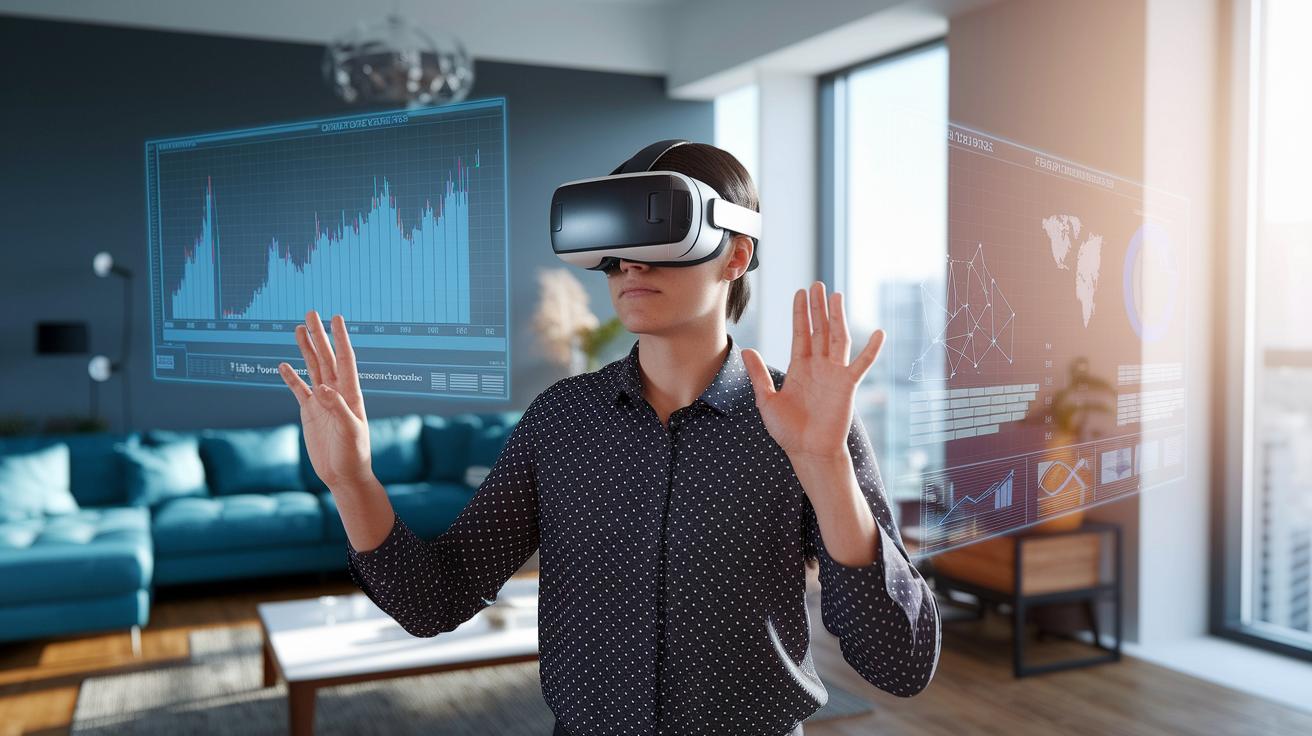
Even though things have slowed down a bit lately, experts are predicting an impressive comeback for wearable tech. We’re looking at a market value that could hit $57 billion by next year. It’s a sign that digital health innovations and smarter ways to track our well-being are really taking off.
AR and VR headsets are leading the charge. Take the Apple Vision Pro, for example, not just built for immersive games but designed to blend our digital lives with the real world. Ever imagined turning your living room into a vibrant virtual office? That’s exactly the sort of experience these devices promise, elevating everything from work to casual chats.
Implantable technologies are also grabbing attention. Think of everything from tiny NFC chips for seamless payments to futuristic brain-computer interfaces still in the works. Imagine a minuscule implant that talks directly with your devices, making tasks like opening doors or checking your health stats feel almost second nature.
The rise of healthcare-centric wearables is another exciting front. New bio monitors are being woven into everyday accessories, giving you real-time updates on your heart rate, oxygen levels, and more. Picture a device that buzzes if it notices a sudden spike in stress or an irregular heart rhythm, providing you with timely insights so you can act before things escalate. This smart, user-friendly tech isn’t just innovative; it’s changing how we take care of ourselves every day.
Price Range and Buying Guide for Wearable Tech Devices

When you start exploring wearable tech, you'll notice prices span from around $50 for basic trackers to over $500 for high-end smartwatches and comprehensive healthcare systems. Basic models cover the essentials, think step counting and notifications with a battery that can last up to 14 days. Meanwhile, premium options offer advanced sensors that give real-time health data, although you might need to charge these more often, roughly every 18–36 hours.
Deciding on the right device comes down to balancing cost with what you really need. Here are some tips to consider as you shop:
- Price bracket vs. feature set: Pick a model that fits your budget while delivering the features you value, whether that's simple activity tracking or deeper health analytics.
- Battery life expectations: Basic trackers tend to offer longer battery life, but if you choose a premium device, be ready for more frequent recharges.
- Sensor accuracy and types: Look for wearables with precise sensors to ensure accurate tracking of your vital signs and daily activity.
- App ecosystem and compatibility: Check how well the device pairs with your smartphone and favorite apps for a smooth, integrated experience.
- Durability and design considerations: Consider whether the wearable can handle daily wear and tear while matching your style.
In short, aligning your budget with the features that matter most to you will lead you to a wearable that not only fits your technical needs but also your lifestyle. Enjoy the discovery process, tech should be as intuitive and fun as it is functional!
Practical Tips for Using & Maintaining Wearable Tech Devices
Make sure you update your device’s firmware regularly. Keeping your software current not only boosts sensor accuracy but also patches security holes so your gadget stays reliable. I recently noticed a big difference, my fitness tracker felt noticeably quicker during my runs after a fresh update.
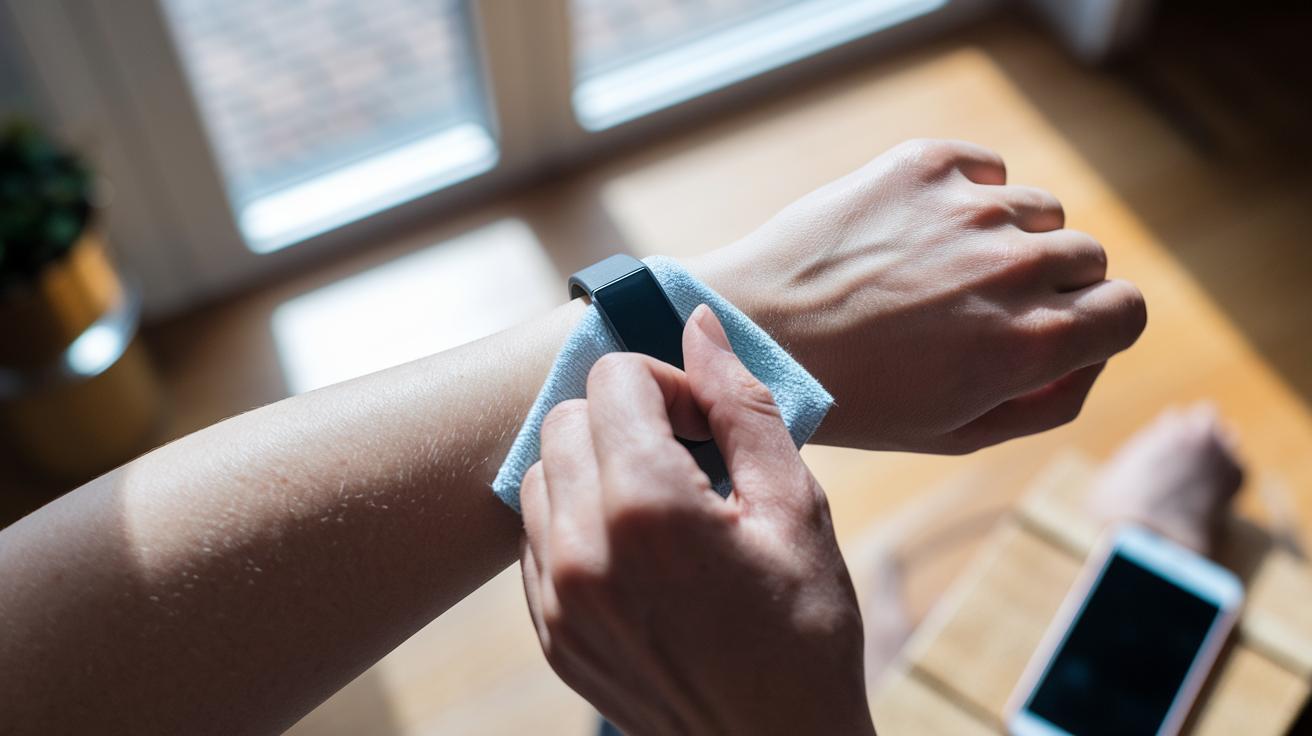
Taking a moment to clean your sensors and straps can really pay off. A gentle wipe with a soft, damp cloth can prevent skin irritation and messy buildup that might mess with data accuracy. It’s like giving your wearable a little spa treatment that keeps it performing at its best.
Stick to the recommended charging routine to extend your battery’s life. Unplug your device once it’s full and store it in a cool, dry spot when it’s not in use. Treating your tech with this kind of care helps your digital wellness tool stay dependable over time.
Final Words
In the action, we've unraveled the world of wearable tech devices, exploring how these gadgets blend seamlessly into our daily routines through hands-free operation and real-time health insights. The post broke down categories ranging from medical wearables to interactive accessories, compared popular models like the Apple Watch and Oura Ring, highlighted cutting-edge trends, and offered practical advice on upkeep. It’s a clear roadmap whether you're upgrading a fitness tracker or trying out new digital health monitors, exciting innovations in wearable tech devices are here to make life smarter and simpler.
FAQ
What are examples of wearable devices?
The examples of wearable devices include smartwatches, fitness trackers, medical monitors, safety vests, AR/VR headsets, and smart jewelry that offer hands-free use and real-time data tracking.
What is considered wearable tech?
Wearable tech refers to electronic devices designed to be worn on the body. They integrate sensors and connectivity to provide health insights, safety features, and interactive experiences.
What is the most popular wearable device?
The most popular wearable device is typically a smartwatch. Smartwatches combine fitness tracking, connectivity, and health monitoring, making them a favorite among tech enthusiasts.
What’s the best wearable tech for seniors?
The best wearable tech for seniors includes devices with large, clear displays and emergency features. Smartwatches with fall detection and user-friendly interfaces provide reliable safety and health monitoring.