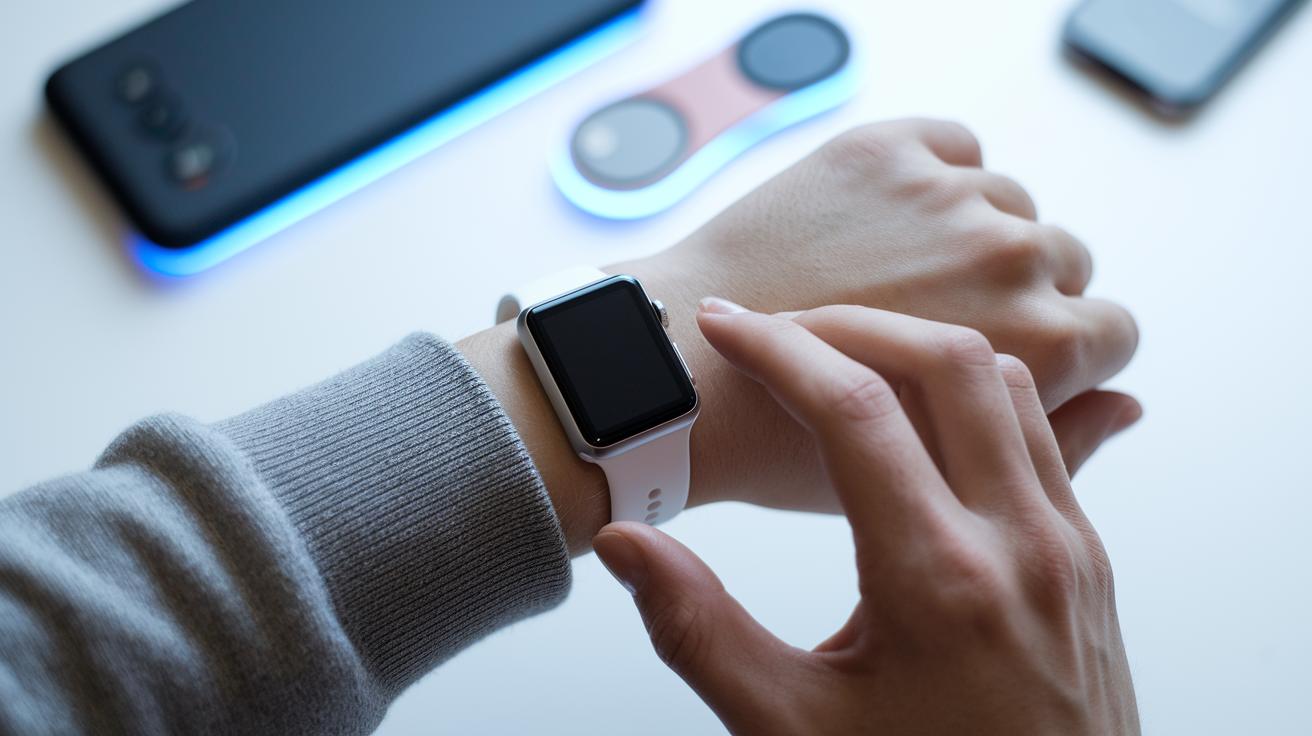

Ever wondered if your everyday gadgets could double as part of your outfit? Sometimes, wearable technology is all about simplicity, its sleek design is just the tip of the iceberg.
In this post, we break down what makes these devices so cool. They come packed with built-in sensors (tiny tech tools that track your every move) and companion apps that keep you updated in real time. It feels like having a mini assistant on your wrist, giving you clear, real-time insights about your health and activity levels.
By blending everyday style with smart functionality, these wearables prove that technology can be both incredibly useful and effortlessly stylish. Isn't it amazing how something so high-tech can feel so natural?
wearable technology definition: smart simplicity

Wearable technology is all about gadgets you actually wear or that become part of your clothing, keeping you connected and informed in real time. These devices are built for hands-free magic, letting you check your data with ease whenever you need it.
At its heart, wearable tech mixes sensors, processors, and GPS trackers (plus some smart IoT protocols to boot) so it can transform everyday movements into useful insights. With built-in software and companion apps lighting up your smartphone, raw data turns into quick alerts and clear health stats. Picture accelerometers that track your every move, optical sensors that keep an eye on your heartbeat, and temperature sensors that monitor your body’s warmth, a clever blend of hardware and smart tech that’s always by your side.
Everyday wearables pop up as smartwatches that buzz with notifications, offer GPS guidance, and keep tabs on your health; fitness trackers that measure your activity and sleep; or even smart rings that subtly collect biometrics. Fun fact: some smartwatches can even alert you to an irregular heartbeat in moments, right when you need that extra nudge.
Core Components of Wearable Technology Devices
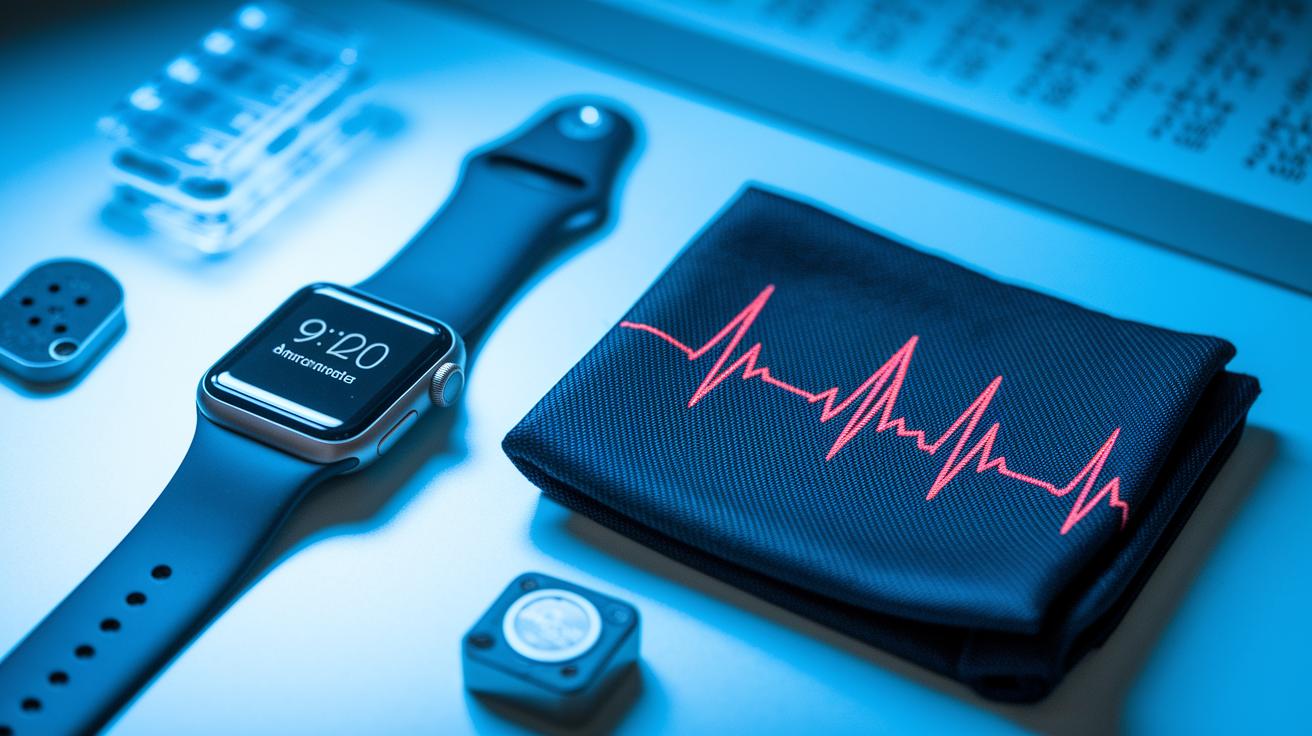
Ever wondered what makes these smart gadgets tick? At the heart of wearable tech is a set of essential components that work together to turn basic data into real-time, useful insights right on your wrist or even woven into your clothes.
- Accelerometers: These sensors capture your body's movements and steps, translating every motion into clear digital stats.
- Optical heart-rate sensors: They keep an eye on your pulse by sensing blood flow, so you always get an accurate read on your heart rate.
- Temperature sensors: By monitoring your body's heat, these sensors add a crucial layer of health data.
- GPS modules: Need directions? These modules pinpoint your location, guiding your navigation and tracking your movements with ease.
- Microprocessors and embedded firmware: Acting as the brain of the device, they process raw sensor inputs and turn them into information you can actually use.
- Batteries: Built to last, these power sources keep your device running for hours, or even days, so you're always connected.
- IoT chipsets and wireless radios: With Bluetooth or Wi-Fi built in, these features ensure that your data syncs smoothly with your smartphone.
Together, these components create a dynamic system that effortlessly blends physical measurements with digital processing. In short, they deliver steady, real-time updates to help you stay both informed and connected throughout your day.
Examples of Wearable Technology in Everyday Life

Wearable tech has become a natural part of our everyday routine, popping up in all sorts of forms designed for different needs. Whether it’s the smooth feel of a smartwatch keeping you updated or AR glasses that bring digital overlays right into your view, these devices mix style with smart design that really impresses.
These gadgets cover a wide range of functions. There are smartwatches that deliver notifications and track health stats, fitness trackers that log activity and even monitor your sleep, smart clothing that senses temperature and heart rate, and medical patches that offer a continuous check on vital health data.
| Device Type | Primary Function | Example Product |
|---|---|---|
| Smartwatch | Notifications, GPS, Health Metrics | Apple Watch Series 9 |
| Fitness Tracker | Activity & Sleep Monitoring | Fitbit Charge 6 |
| AR Glasses | Digital Overlays | Microsoft HoloLens 2 |
| Smart Clothing | Temperature/Heart Rate Sensing | Hexoskin Smart Shirt |
| Smart Ring | Heart Rate, Sleep Insights | Oura Ring Gen 3 |
| Medical Patch | Continuous Glucose Monitoring | FreeStyle Libre |
What’s really neat is how each device works hand in hand with your smartphone to serve up the latest data in real time. Maybe your smartwatch buzzes to let you know your heart rate’s spiking, or your fitness tracker quietly notes every step and hour of sleep. It’s all about making it effortless to stay on top of your health and feel like you're in control.
Even medical wearables kick it up a notch, turning into handy assistive tools that give you constant insights into your well-being. With everything synced smoothly, you can easily glance at your progress, ensuring you’re always connected to the data that matters most.
Benefits of Wearable Technology Devices
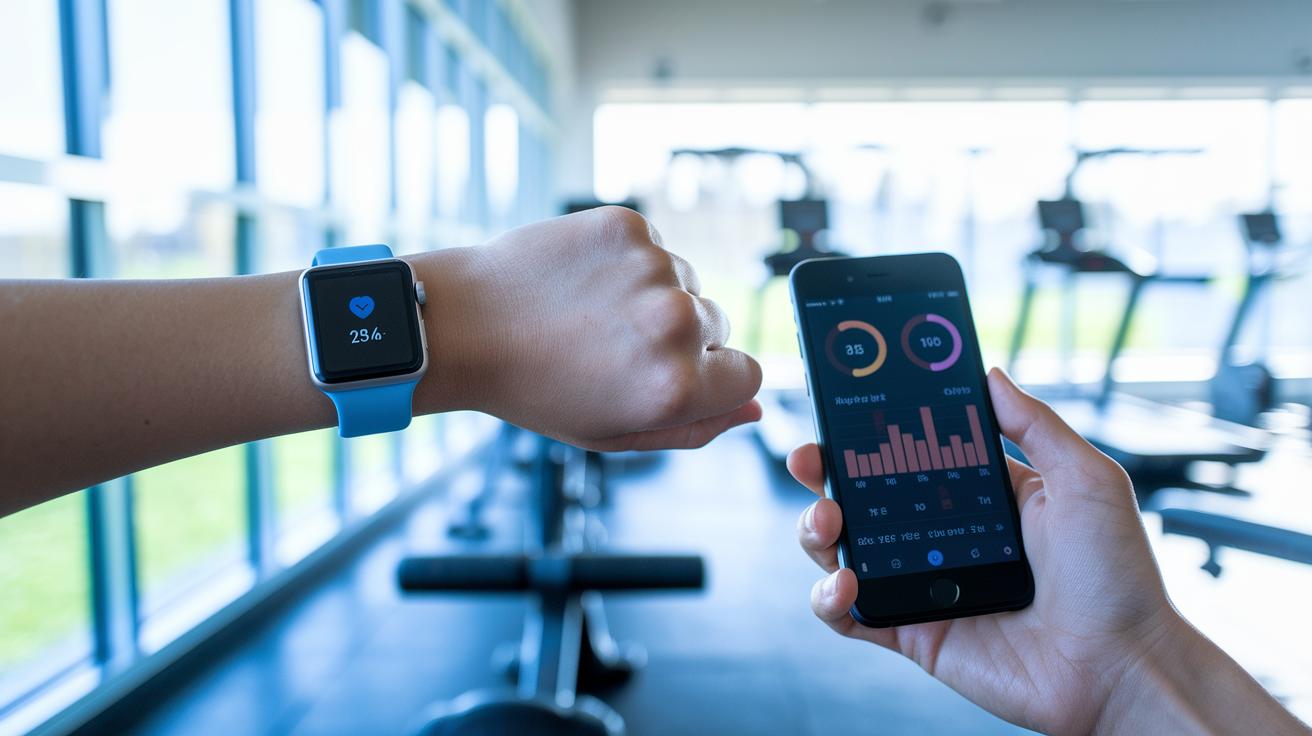
Wearable tech is like having a personal assistant on your wrist or even woven into your clothes. It hands you real-time updates about your health, so you can keep an eye on your stats, track your physical activity, and get quick alerts about important changes. Whether you're catching a few notifications during a busy day or checking in on your health after a workout, these devices offer a smooth, hands-free experience that makes tracking your steps, sleep, and overall well-being feel effortless.
Plus, wearable devices do more than just boost productivity, they also have your back when it comes to safety. With features like emergency SOS and fall detection, they provide a reassuring layer of protection wherever you are. Couple that with smart navigation tools that offer turn-by-turn directions, and you’ve got a gadget that keeps you supported whether you're on a brisk walk or navigating bustling streets. Essentially, these innovative gadgets not only simplify your daily tasks but also serve as a motivating, health-focused partner in your everyday life.
Evolution and Future of Wearable Technology
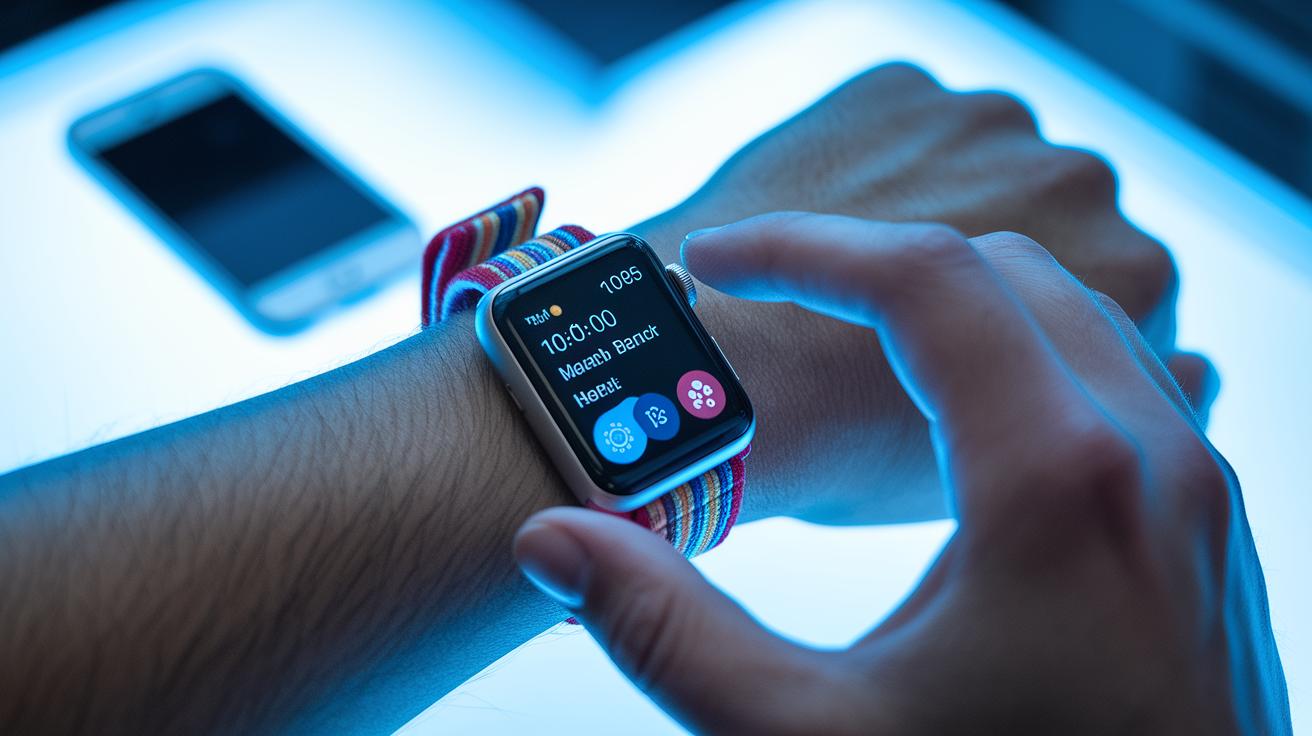
Back in the 1980s, we had simple pedometers that just counted steps. Those early devices focused on one job, tracking activity or monitoring vital signs, and they set the stage for today’s connected, multi-functional wearables that many of us rely on every day.
Recent breakthroughs have really taken wearables to a new level. Imagine e-textiles that combine flexible electrodes and power leads, bending up to 20 percent without skipping a beat. At the same time, sensor upgrades have made devices like optical heart-rate monitors, temperature sensors, and accelerometers incredibly accurate, so you get a clear snapshot of your health and activity. It all comes together with powerful microprocessors and reliable batteries, syncing effortlessly with your smartphone to deliver actionable insights.
Looking ahead, the future of wearable tech is super exciting. The global market reached about USD 84.2 billion in 2024, and experts predict it will hit around USD 98.47 billion by next year, solid proof of growing consumer interest. We’re on the brink of even more advanced healthcare monitoring, with devices that could offer continuous glucose tracking and remote vital checks to support personal health management. Meanwhile, AR/VR features are set to transform education and gaming, and next-gen portable sensors for workplace safety promise to make our gadgets smarter and more integral to our daily routines.
Final Words
In the action, we unpacked the wearable technology definition by examining its internal sensors, processors, and user-friendly connectivity. We covered the core components that power smart devices and explored everyday examples like smartwatches and fitness trackers.
Each section shed light on how these gadgets integrate into our lives, enhancing safety and convenience. Technology continues to improve daily routines, making our lifestyle smarter and more connected. Stay tuned for more insights as wearable tech evolves and brings exciting changes.
FAQ
What is meant by wearable technology?
The term wearable technology means electronic devices incorporated into clothing or accessories that provide connectivity and real-time data tracking for activities like health monitoring and notifications.
What is an example of wearable technology with their description?
The example of wearable technology is a smartwatch, which offers notifications, health tracking, and GPS navigation, while other items like fitness trackers and smart rings provide continuous activity and biometric insights.
What is the difference between wearable devices and wearable technology?
The difference is that wearable devices are the individual gadgets you wear, such as smartwatches, whereas wearable technology encompasses the overall field including the hardware, software, and connectivity that powers these devices.
What is the most wearable technology?
The most wearable technology is often the smartwatch because it combines multifunctional features such as health tracking, real-time notifications, and seamless integration with smartphones, making it a top choice for everyday use.
What are some wearable technology examples?
Some wearable technology examples include smartwatches, fitness trackers, AR glasses, smart clothing, smart rings, and medical patches—all designed to provide different functionalities like health monitoring and digital display interfacing.
How is wearable technology defined for students and scholarly articles?
For students and academic sources, wearable technology is defined as on-body electronics with sensors and connectivity features that collect and process real-time data, a description supported in scholarly articles and Wikipedia entries.
What are the advantages of wearable technology?
The advantages of wearable technology include real-time health data monitoring, hands-free convenience, activity tracking, safety alerts like fall detection, and easy data syncing with smartphones for immediate user insights.
How does wearable technology function?
Wearable technology functions by combining sensors, onboard processors, and wireless connectivity to track physical activities, measure body metrics, and provide users with timely insights through linked devices like smartphones.