

Ever dream of your smart devices just getting along? Imagine your lights, thermostat, and door lock all syncing up perfectly, regardless of their brand. Matter makes that possible by connecting your devices in one easy, unified network, it’s like having a friendly translator in your home. With Matter, setting up your smart home feels as natural as chatting with a friend, resulting in a secure, smooth experience that truly enhances your everyday life.
matter smart home: Effortless Device Harmony
Matter is an open-source protocol developed by the Connectivity Standards Alliance, a network of over 550 companies all working together to simplify how devices interact. Think of it this way: no matter which brand your gadgets come from, Matter lets them seamlessly work side by side, even if they aren’t always connected to the internet. Imagine your lights, thermostat, and smart lock coming together in real time to set just the right vibe in your home.
When Matter kicked off in 2022 with its 1.0 release, it also rolled out a certification program and royalty-free software development kits to simplify the integration process for manufacturers. By using QR codes or NFC tags, adding a new device to your home network is as simple as giving it a quick scan. Picture setting up a smart bulb the same way you’d spot a familiar face in a busy room, effortless and almost second nature.
Matter also backs up secure, local connections using public key infrastructure. This means your communications stay authenticated and safe. And with the update to version 1.4.1, Matter now includes built-in scheduling. So if you want your lights to adjust automatically or coordinate smart plugs at the perfect moment, you can do that without relying on an external server.
By combining different connectivity standards like Wi-Fi, Ethernet, Thread, and Bluetooth LE, Matter simplifies device interactions and cuts out the hassle of multiple bridges or gateways. In short, it gives you that smooth, unified smart home experience where everything just clicks together perfectly.
Matter Smart Home Protocol Architecture and Connectivity Options
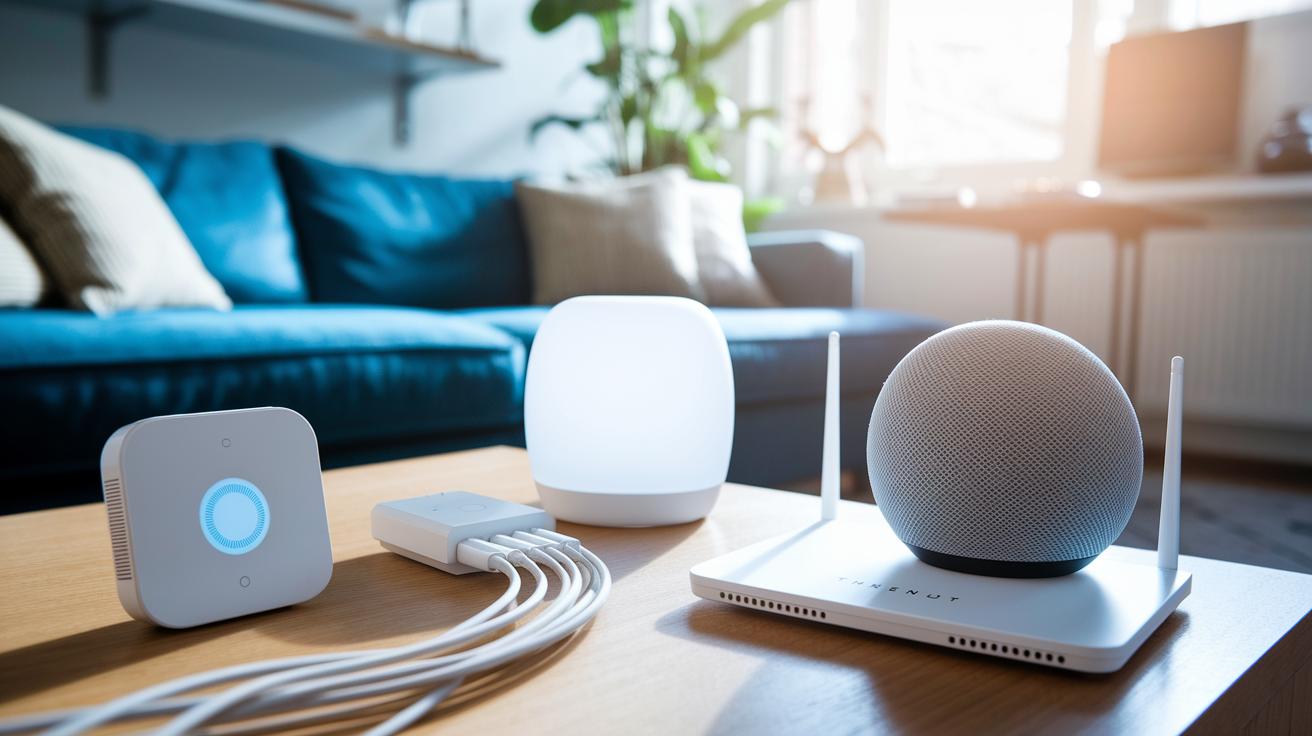
Matter uses a layered connectivity approach to keep your gadgets running smoothly and securely at home. It mostly works over IP, meaning it relies on Wi-Fi and Ethernet for direct device chats. When your devices are on Wi-Fi or plugged into Ethernet, they get onto the network straight away, so everything works fine, even if your internet isn’t always on.
For gadgets that use Thread, Matter creates robust mesh networks. In simple terms, Thread devices need a Thread Border Router to join the team. This clever setup makes sure your smart devices form their own secure network, keeping everything local and communication safe. On top of that, Bluetooth LE is used to make adding new devices a breeze by scanning QR codes or tapping NFC tags. This not only simplifies device setup but also strengthens the overall system, especially noticed in version 1.4.
Below is an overview of the protocols used in Matter’s connectivity design:
| Protocol | Role | Transport |
|---|---|---|
| Wi-Fi | Direct connection | IP |
| Ethernet | Stable wired link | IP |
| Thread | Mesh networking | IP via Border Router |
| Bluetooth LE | Initial commissioning | Short-range data |
By combining these different connectivity options, Matter delivers a unified, reliable smart home experience where setup is easy and communication stays strong across all your devices.
Comparing Matter Smart Home with Other IoT Smart Integration Standards

Matter really changes the smart home game. It uses an IP-based networking approach that plugs directly into your home network, so your devices can talk to each other without the need for additional, brand-specific bridges. Unlike older protocols like Zigbee or Z-Wave that often require extra hardware to work together, Matter’s design simplifies everything, even letting manufacturers update existing Thread, Zigbee, or Z-Wave gadgets with firmware upgrades, though support might vary from vendor to vendor.
Another cool advantage is Matter’s royalty-free SDK. This means developers can build new products without grappling with restrictive, proprietary systems, opening up the field for more innovation. And when it comes to security, Matter has you covered with robust public key infrastructure (PKI) authentication, a system that uses digital keys to safeguard communications, along with distributed ledger logging. Older systems, on the other hand, tend to rely on simpler key setups that might leave your devices more exposed.
Here's a quick rundown in a handy table:
| Matter | Older Systems |
|---|---|
| IP-based networking that integrates directly into your home network | Proprietary connectivity needing extra hardware |
| No need for brand-specific bridges | Mandatory vendor-specific bridges |
| Robust PKI authentication for enhanced security | Simpler, less secure key-based methods |
| Royalty-free SDK encouraging innovation | Closed licensing models that restrict flexibility |
| Flexible firmware update paths | Fixed upgrade cycles |
All in all, Matter isn’t just about simplifying integration, it’s also about ramping up security and opening the door for more creative, hassle-free smart home setups. Pretty cool, don’t you think?
Matter-Compatible Devices and Integrated Hub Solutions

Matter brings together a range of smart home ecosystems under one roof, making it easier to control all your gadgets with a single, smooth experience. As of January 2025, the big names leading this charge include Apple Home, Amazon Alexa, Google Home, and Samsung SmartThings.
Apple Home works best when you have a HomePod mini or a second-generation Apple TV 4K acting as your hub, letting you command lights, thermostats, and a variety of Matter-certified devices effortlessly. And if you love smart speakers that integrate smoothly with your other tech, check out our detailed home smart speaker review for more insights.
Amazon Alexa shines by using several Echo models that listen to your every command. Whether you're controlling locks, shades, or plugs, it's designed to relay your orders accurately. Then there’s Google Home, perfectly paired with the Nest Hub, which not only keeps an eye on your climate controls but also gathers sensor data to help you maintain a cozy space. Samsung SmartThings, with its dedicated SmartThings Hub, rounds out the lineup by offering strong support for everything from lights to smart locks and thermostats, plus sensors.
Certified Matter devices cover all the essentials, plugs, lights, locks, shades, and thermostats. Plus, for gadgets using the Thread protocol (a way to let devices communicate efficiently), the built-in border routers in these hubs guarantee a smooth network join. A particularly cool feature is Multi-Admin Mode. This lets your Matter devices work with several control platforms at once, so you can switch between ecosystems without any extra hassle.
In short, choosing a Matter-certified hub means you’re set for a smart home that’s quick to respond and built for streamlined control. Whether your taste leans toward Apple, Alexa, Google Home, or SmartThings, each platform is crafted to simplify device management and boost your overall smart home vibe.
Comprehensive Installation Guide for a Matter Smart Home
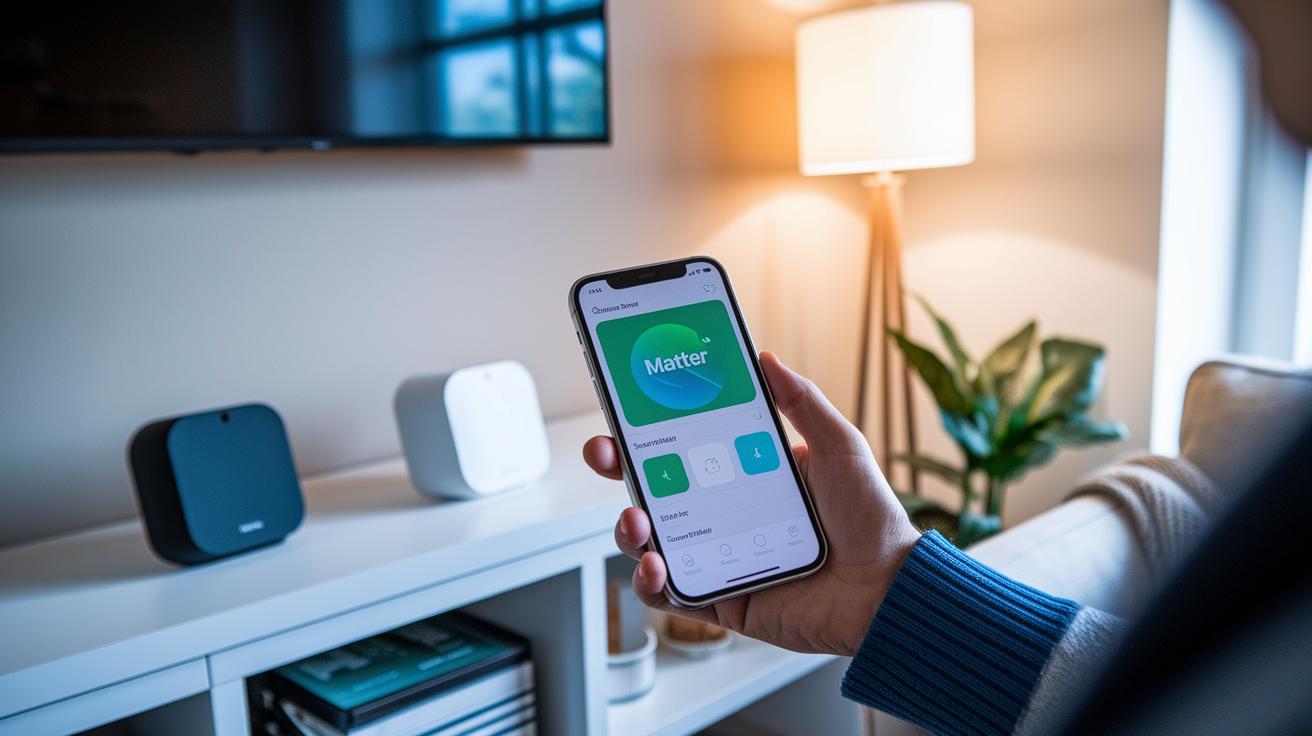
Getting your Matter smart home set up is simpler than it seems once you know the drill. First, make sure you’ve got the Matter Controller app on your iOS or Android device, and pair it with a compatible hub like HomePod, Echo, Nest Hub, or SmartThings. With the right hardware in hand, you're already halfway there.
Start by downloading the Matter Controller app on your smartphone and connecting it to your hub of choice. Think of this app as your home base for managing all your smart devices, it lets you easily assign each gadget its own spot in your living space. Best of all, many devices automatically reveal themselves in setup mode, saving you time and extra steps.
Once your app is ready, putting your devices into pairing mode is a breeze. Most gadgets either jump into pairing mode by themselves or do so when you press a specific button. At that point, simply use your phone to scan the QR code or tap the NFC tag on the device. It’s a bit like sharing a quick digital handshake, fast, secure, and almost instant.
After scanning, take a moment to assign rooms in the app. This helps voice assistants like Alexa, Siri, or Google Assistant understand the context of your commands. And if you're using a device that relies on the Thread protocol (a method that helps devices communicate reliably), check your network mesh connectivity to ensure everything links up as it should.
Finally, give your new setup a test run by confirming you can control your devices both with your voice and through the app. Here’s a quick recap of the steps:
| Step | Description |
|---|---|
| 1 | Select your controller and hub |
| 2 | Open the platform app |
| 3 | Activate device pairing mode |
| 4 | Scan the QR code or NFC tag |
| 5 | Verify network mesh connectivity |
| 6 | Confirm control via voice/app |
And there you have it! With these steps, each of your devices should be chatting away in perfect harmony. Isn’t it fantastic when everything just works together seamlessly?
Matter Smart Home Security, Advanced Features, and Limitations
Matter keeps your home network secure by using distributed ledger technology along with public key infrastructure (PKI) to ensure only approved devices can join. This means every gadget in your space gets verified before it talks to other devices, creating a strong, decentralized foundation for managing your tech.
Version 1.4 brought in a neat basic scheduling feature, think turning your lights on or off at preset times without fuss. However, more advanced perks like detailed heating graphs and lock-access controls are still in the hands of individual manufacturers until they fully jump on board. And while Multi-Admin Mode is designed to let different systems control your setup at the same time, very few companies have made it the default option just yet. So, keeping your system secure really comes down to regular firmware updates and certificate renewals, simple steps to patch any vulnerabilities.
Even with these strong security measures, Matter isn’t without its hiccups. Both manufacturers and users are keeping an eye on things, knowing that a seamless, smart home experience depends on consistent upgrades and a tighter integration of advanced features.
Future Roadmap and Updates for Matter Smart Home Ecosystem
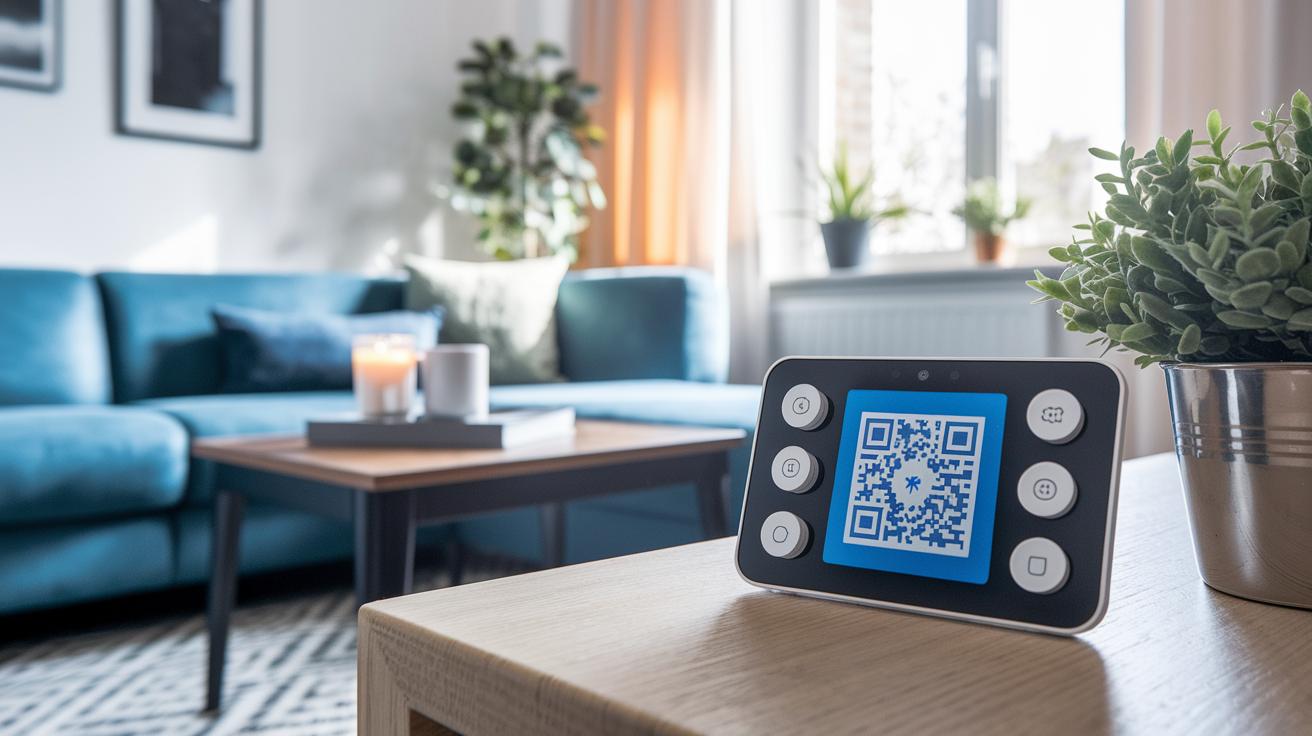
Matter is picking up pace, and the upcoming releases are all about making your smart home even smarter. The recent version 1.4.1 introduced nifty built-in schedules, and future updates are planning to expand support for cameras and sensors. You'll also see richer multi-admin workflows, meaning multiple control systems can work side by side. And with improved Thread reliability, which is basically about keeping your mesh network steady even as more devices join, the experience will feel seamless. Imagine adding a new smart appliance by simply scanning a QR code; it’s that straightforward.
The team over at the Connectivity Standards Alliance is busy setting deadlines for firmware updates and opening up more test labs to keep things moving smoothly. They’re also tightening up the tech documentation to help manufacturers integrate enhanced edge-computing roles into the ecosystem. In short, next-generation control systems are on the way. There’s even talk of broader device integration, so you might soon find your smart kitchen gadget automatically recognized and set up without any fuss. These forward-thinking upgrades show a clear commitment to timely updates and strong ecosystem growth, ensuring Matter stays right at the forefront of smart home innovation.
Final Words
In the action, we explored how the Matter smart home standard is streamlining home connectivity by unifying everything from Wi-Fi to Bluetooth LE through a secure, open protocol. The article walked through its protocol architecture, compared it with other IoT systems, and even guided you through setting up your own network. With a focus on solid device security and promising updates ahead, the future of the matter smart home looks bright and ready to enhance everyday tech use.
FAQ
What is Matter in smart home?
The Matter smart home standard is an open-source protocol designed to simplify device interoperability by unifying connectivity across Wi‑Fi, Ethernet, Thread, and Bluetooth LE with secure, local control.
Who owns Matter smart home?
The Matter smart home ecosystem is maintained by the Connectivity Standards Alliance, a consortium of over 550 companies dedicated to creating a seamless, secure smart home experience.
Does Matter smart home have an app or login?
The Matter smart home system is managed through controller apps provided by major platforms like Home, Alexa, and Google, each requiring its own login rather than a dedicated Matter app.
How do you set up Matter smart home devices?
Setting up Matter smart home devices involves selecting a compatible hub, launching the controller app, activating pairing mode, scanning a QR code or using NFC, assigning rooms, and verifying network connectivity.
What are the best Matter smart home devices and how does a Matter router work?
The best Matter smart home devices include certified options like lights, locks, plugs, and thermostats, while a Matter router, often a Thread border router, creates a mesh network to extend device connectivity.
How does Matter integrate with Apple smart home devices?
Matter integrates with Apple smart home devices by enabling HomePod mini and Apple TV to act as hubs, ensuring seamless control and compatibility with other Matter‑compatible gadgets.
What is the Matter smart home control panel and does Matter support cameras?
The Matter smart home control panel provides a unified management interface for devices, and Matter‑compatible cameras work within this ecosystem, offering secure, local streaming and monitoring.
Where can I learn more or join Matter smart home discussions?
You can explore detailed information on the official Matter website and participate in community discussions on platforms like Reddit to share insights and receive updates about Matter smart home experiences.