

Ever noticed how a software update seems to take forever sometimes? It’s not just in your head. The update speed really comes down to factors like file size, your download speed, and a few other behind-the-scenes details. Knowing what’s at play can help ease the frustration and make that ticking clock a little less mysterious. Next, we’ll break down what influences these update times and throw in some tips to help you cut that wait down. Let’s dive in and see why your device might hit pause for a bit.
Typical Software Update Timeframes Explained
Software updates can range from a quick ten-minute check to several hours of waiting, depending on your device and the size of the update. Ever noticed how a typical smartphone update, like iOS, may only take about 30 minutes on average, even though larger updates over 5GB might make it feel like it’s dragging on? It’s all about the file size and how many files need to be downloaded and installed.
Mobile devices, such as iPhones, usually require anywhere from 20 to 45 minutes for an update. The timing can slightly shift depending on whether you’re using iOS 15 or iOS 16. On the other hand, desktop systems like macOS have a wider range. While they might complete a patch in as quickly as 15–20 minutes, more extensive updates can stretch into a few hours. Windows and Android updates follow a similar pattern; minor security patches might be done in just 10 minutes, but bigger changes could take up to three hours.
Firmware updates for gadgets like routers, smartwatches, or VR headsets generally finish faster, often between 2 and 30 minutes. And don’t forget app updates, they’re designed to be quick so that system downtime stays minimal.
2. how long do software updates take: reassuring

Ever noticed how software updates seem to take a bit of time, and wondered why? When your device kicks off an update, several factors come into play that ultimately decide how long you'll be waiting. Knowing these factors can make the whole process feel a lot less daunting, and help you take simple steps to speed things up.
- Download and install latency: With a fast internet connection, your update files zip in and out quickly. A solid broadband connection can drastically cut down the wait time by making sure everything moves smoothly.
- Network dependency on upgrades: Sometimes, the servers, like Apple’s update servers, are hit hard by heavy traffic, adding extra minutes to your update. If you sense any delays, switching to a steadier Wi-Fi might just do the trick.
- Delay factors in system refresh: Bugs or outdated firmware can throw a wrench in the works, causing extra delay during the update. Keeping your system current can help minimize these hiccups.
- Available storage: Many updates need at least 2 GB of free space. If there's not enough room on your device, the installation can pause unexpectedly, stretching out the process.
- Thermal factors in patching: When your device heats up, it tends to slow down its performance to cool off, which means a longer update period. Letting your device chill for a bit might restore its usual quick pace.
- Battery impact during upgrades: If your device is running on less than 50% battery or isn’t plugged in, the update might stall or slow down. Keeping it charged or connected to power helps ensure a smoother, uninterrupted process.
Each of these elements plays a key role in the update experience. Understanding them can ease your concerns and help you manage things better, like freeing up storage or keeping your device powered, ensuring your update goes as seamlessly as possible.
Comparing Update Times on Different Devices
Ever wondered why updates take different amounts of time? It all comes down to file size and the system’s complexity. For instance, updating your iPhone usually takes about 30 minutes, while Android updates can range between 20 and 50 minutes, depending on the ROM size (that’s the core software that powers your device).
If you’re using a Mac laptop, be prepared for a wide range, sometimes as quick as 15 minutes, or as long as two hours for a full system upgrade. On a PC, minor patches might only need around 10 minutes, but feature updates could extend up to three hours. And even devices like smartwatches and routers get in on the action with fast updates that keep you connected without much hassle.
| Device | Update Type | Avg Duration |
|---|---|---|
| Phone | Smartphone OS (iOS/Android) | 20–50 min |
| Laptop | macOS Upgrade | 15–120 min |
| PC | Security/Feature Updates | 10 min – 3 hrs |
| Smartwatch | WatchOS Update | 10–20 min |
| Router | Firmware Upgrade | 2–15 min |
In short, this snapshot shows that while each device updates at its own pace, you might find that your smartphone finishes updating in less than an hour, which is pretty impressive when you think about it.
Troubleshooting Extended Update Processes

When a software update seems to take forever or even feels frozen, it can really test your patience. But don't worry, there are some straightforward fixes to help speed things up so you can get back to enjoying your device. Here are seven practical tips to help ease installation hiccups or cut down on those long wait times.
-
Try giving your device a quick force-restart to clear out any stuck services. This is like giving it a fresh start by resetting the I/O queues. For PCs, you can find detailed hardware reset instructions here: hardware reset pc.
-
Reset your network settings to firm up your Wi-Fi connection. Sometimes, simply switching networks or toggling your Wi-Fi off and back on can clear up any download delays.
-
Make sure you have at least 2 GB of free disk space. Removing apps or media files you no longer need gives your device the room it requires to unpack and smoothly install the update.
-
Check if the vendor's server is having issues. Occasionally, delays can be on the server's end due to maintenance or heavy traffic, not due to your device.
-
When over-the-air updates stall, consider switching to desktop-based update tools like iTunes or Finder. These options often offer a bit more control and can bypass common OTA glitches.
-
If nothing else works, try using advanced repair tools designed to fix any corrupt installation files. This might help if regular reboots or reinstallations don’t resolve the issue, without putting your data at risk.
-
Finally, if you notice that the disk activity is still on while progress appears halted, give it another hour. Often, background processes are still running quietly, and a little extra patience could do the trick.
If these suggestions still don’t solve the slow update process, it might be a good idea to reach out to professional support to steer clear of any further issues.
Best Practices for Faster and Seamless Updates
When planning your update schedule, try to run them during off-peak hours, like overnight or when you're on a break. This way, your day-to-day use isn't interrupted. Setting up automatic updates within a specific time frame can really simplify things, saving you from manual tinkering. And don't forget to keep your device charged; either plug it in or ensure its battery stays above 50%. Imagine charging it overnight while you sleep, it’s a smart and seamless way to get updates done.
On the tech side, connect to a solid Wi-Fi network and turn off cellular data to dodge any download hiccups mid-update. If your system allows pre-downloading update packages, take advantage of that feature; it's a lot like preheating your oven before cooking a meal. Finally, back up your data before diving into major updates. This little step saves you from repetitive downloads if something unexpected happens. These strategies make the update process smoother and help your device stay on track with the latest software.
Role of Network and OTA Rollouts in Update Timing
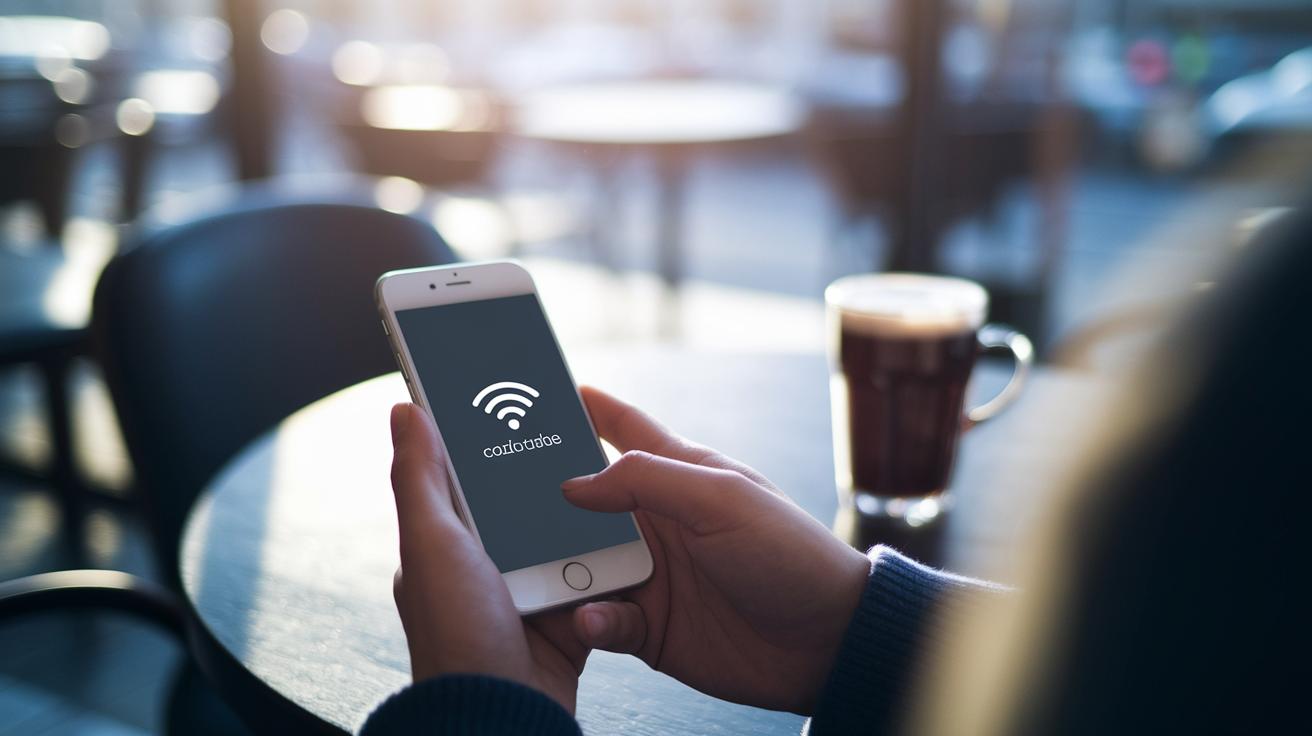
OTA updates roll out in smart batches to keep server load in check. So, if you're among the first to get the update, you might notice a quicker download compared to later users. It's kind of like catching a sneak peek of a movie before it officially premieres.
With phased OTA rollouts, the update is divided into smaller pieces that are delivered one step at a time. Each phase can throw in an extra verification check, which might add a little to the download time. This approach helps prevent server overload, much like taking turns at your favorite coffee shop ensures no one waits too long.
To dodge any wireless glitches during firmware updates, always check that your network is stable. If you experience dips in signal or unexpected pauses, try switching over to a more reliable Wi-Fi connection or briefly disable cellular data, just like finding a quiet room when you need to make an important call.
Interpreting Progress Indicators and Update Milestones
Modern update installers give you a clear, real-time progress readout. They display a percentage along with time estimates that adjust as the process moves through different stages. Ever notice how the estimated time drops dramatically when the installer switches from downloading to installing? That’s just the system shifting gears.
Sometimes, the “time remaining” might jump or pause, which can feel a bit unsettling. But usually, these changes just mean the update is moving from one phase to another, like switching from copying files to unpacking them. A stationary progress bar often indicates that your system is busy doing background tasks such as verifying data or creating system snapshots, not that the update has frozen.
Keep an eye out for messages like “verifying update” or “configuring system” on the screen. Recognizing these cues can help you understand what’s happening, so you don’t mistakenly think the update is stuck.
Even if the display seems idle for 10–15 minutes, let the behind-the-scenes work finish. Interrupting in the middle could risk data integrity, so a little extra patience now ensures a smooth and complete installation.
Final Words
In the action, we broke down update timeframes, compared devices, and tackled common hiccups. We explored key factors from download speed to device readiness and shared practical tips for smoother transitions.
Our guide clearly shows how long do software updates take depends on many factors. Enjoy each upgrade and stay curious about new tech breakthroughs!
FAQ
How long do software updates take on an iPhone?
The question about iPhone update duration indicates that typical updates finish between 20 and 45 minutes, depending on file size, network speed, battery level, and available storage.
How long does the iOS 17 update usually take?
The question regarding the iOS 17 update signifies that updating usually takes around 20 to 45 minutes, though factors like download size, server load, and network quality can adjust the overall time.
Why are my iOS updates taking so long?
The question about prolonged iOS updates suggests delays might stem from heavy server activity, limited network bandwidth, insufficient free storage, or low battery levels during installation.
How long do software updates take on Android and during a data transfer to a new phone?
The question comparing Android updates and data transfers implies that Android updates range from 10 to 60 minutes for security patches, while transferring data to a new phone can take longer based on file volume and connection speed.
Can I use my phone while it’s updating?
The question about usability during updates indicates that most functionality is disabled during installation to protect system integrity, though limited access may be available after the download phase.